
 By Cong Updated
Choose the right electric neck heating pad by comparing collar closures, shoulder drape measurements, cord length, multi-heat controllers, and wash care.
Overview
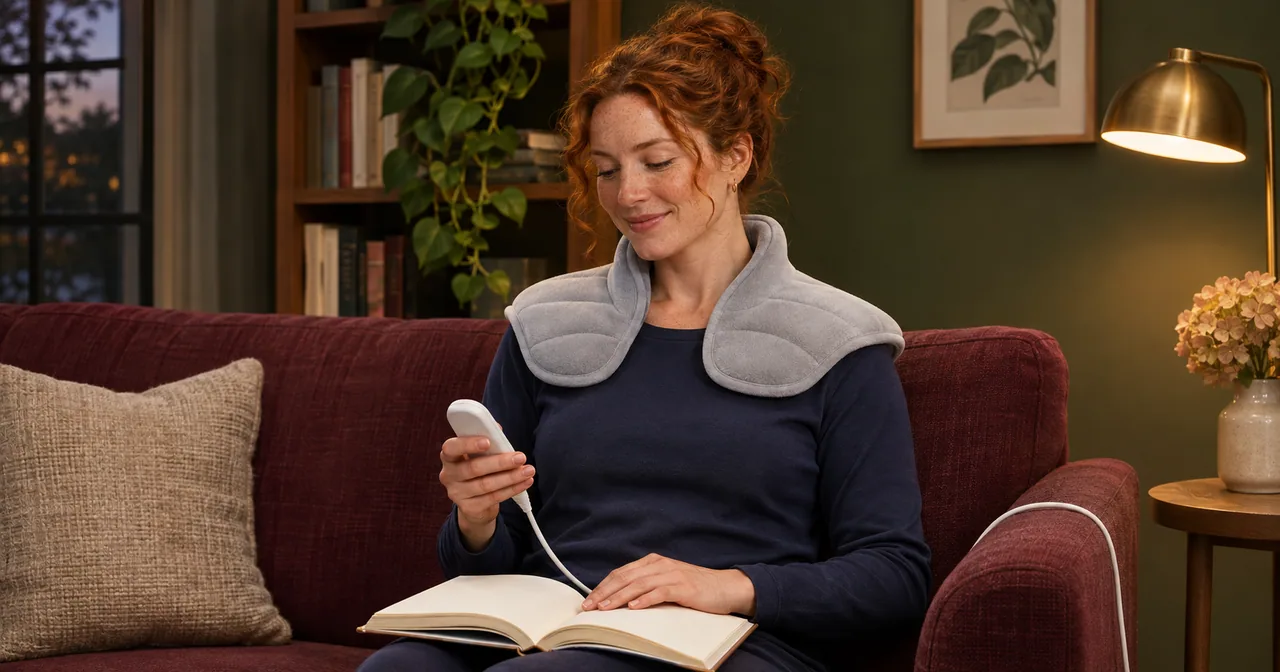
Deciding to buy an electric neck wrap comes down to how you plan to use it at home or at a desk. Searching for a neck heating pad electric option presents a wide range of personal warming devices. An electric neck and shoulder heating pad can offer focused warmth across the upper back and neck, making it a convenient addition to a daily relaxation routine.
However, choosing the right model requires looking closely at product features, understanding your home seating and outlet access, avoiding confusion between active heating pads and passive travel support pillows, and practicing safe operating habits. This practical shopper's guide walks you through every step of selecting, setting up, and using an electric warming wrap safely in your home.
Evaluating Your Living Space and Daily Setup Choices
Before adding an electric heating pad for cervical neck pain or daily stiffness to your shopping cart, take a moment to evaluate your physical space and daily routine. Where and how you plan to sit while using your heating wrap will shape your daily experience far more than simple packaging descriptions.
Outlet Proximity and Cord Routing in Seating Areas
Because corded electric wraps depend on household electrical sockets for power, your seating setup plays a major role in daily usability. Consider where you usually spend your evening rest or work hours:
- Armchair or Sofa Relaxation: If your favorite lounge chair is situated near an electrical wall outlet, a corded pad allows you to relax without worrying about battery recharging interruptions. Make sure the distance between your seat and the socket permits you to lean back naturally without pulling on the neck collar.
- Desk and Computer Workstations: When using a wrap while working at a computer desk, checking the reach of the power cable prevents awkward tension across your shoulders. Routing the power cable neatly along desk legs or walls keeps cords clear of chair wheels, footrests, and household foot traffic.
- Controller Accessibility: If the model has a controller, position it where you can reach it without twisting or tugging on the cord.
Navigating Product Specs: Collars, Controls, and Construction
Not all heating wraps built for the upper body are constructed the same way. When reviewing product specifications, pay attention to design variations rather than assuming every model includes the same components or features.
Neck Collar Shapes, Shoulder Drape, and Fasteners
Specialized wraps for the upper back—such as a contoured electric heating wrap for cervical trapezius stiffness—often feature shaped collars and shoulder drapes. However, specific structural details vary significantly across different brands and models:
- Collar Height and Design: Some wraps feature high, structured collars that wrap around the back of the neck, while others have lower, relaxed necklines that drape more loosely over the upper chest.
- Fastening Options: Depending on the specific product, wraps may use magnetic chest snaps, plastic buckles, or weighted edges to help keep the fabric in place. Check individual product descriptions to see which fastening method a specific model incorporates.
- Fabric Variations: Outer fabrics range from soft micro-plush to smooth fleece, affecting tactile comfort against clothing or bare skin.
Control Systems and Wiring Configurations
Power features and control assemblies also differ across electric models:
- Heat Settings: Many electric pads offer multiple heat levels, letting you adjust heat output depending on room temperature, clothing thickness, and personal comfort preferences.
- Control Cable Assemblies: Some models feature detachable controller cords designed to make fabric cleaning simpler, while other pads utilize fixed, non-detachable wiring assemblies.
- Safety Timers: Certain pads include automatic shut-off timers that power down the heating element after a set period, functioning as a secondary safety feature during use.
Clearing Up Category Confusion: Active Heat vs. Passive Travel Support
When browsing retail pages, pharmacy catalogs, or online wellness guides, active electric heating pads are sometimes grouped alongside passive neck accessories. Understanding the fundamental difference between these product types ensures you purchase an item that matches your expectations.
Active Electric Heating Devices
An ergonomic contoured neck and shoulder heating pad belongs to the active heating category. These products use internal electrical wiring or micro-wires to generate surface heat, providing comforting warmth to sore or tight muscle areas around the neck and upper back.
Passive Travel Support Accessories
By contrast, popular travel accessories like the Trtl Travel Neck Pillow and the Ostrichpillow Go Neck Pillow serve dedicated mechanical support functions without generating thermal heat:
Trtl Travel Neck Pillow: Built with a patented internal structural rib support system wrapped in soft fleece, designed to support the head and neck during upright travel.
Ostrichpillow Go Neck Pillow: Constructed with high-density memory foam and a 360-degree asymmetrical collar with an adjustable closure to cradle the neck and chin during upright travel, compressing down for easy packing into a travel bag.
Neither the Trtl pillow nor the Ostrichpillow Go contains electrical wiring, heating elements, or microwavable inserts. They are passive structural support items engineered for travel ergonomics. Do not infer that a product provides heat simply because it appears alongside neck comfort accessories in a retail catalog or travel guide.
Understanding Heat Therapy Principles for Daily Relaxation
Incorporating gentle heat into your home self-care routine is a simple, non-invasive way to ease everyday upper body tension after physical exertion or desk work.
How Heat Interacts with Tired Muscle Tissue
Educational resources on heat therapy from Sunbeam explain that applying heat is a well-established, non-invasive method for easing muscle tension and stress. The Sunbeam page describes heat as an option people use for everyday muscle discomfort. Follow the instructions that accompany the product you choose.
Matching Warmth to Soreness
Sunbeam discusses heat for muscle soreness and stiffness. A quiet break at home is one way to make time for a comfort routine while following the product's directions.
Fabric Care, Cleaning Rules, and Long-Term Maintenance
Keeping a cervical heating pad electric wrap clean requires strictly following the specific care instructions provided by its manufacturer. Misinterpreting cleaning directions can damage internal electrical wiring or void product warranties.
Reading Your Specific Model's Care Label
Always consult the sewn-in care tag and instruction manual for your specific model before performing any maintenance:
- Unplug Power Supplies First: Always disconnect the power cord from the wall electrical socket before performing any cleaning or maintenance.
- Detachable Controller Handling: If your specific model features a detachable controller cord, disconnect it completely from the fabric pad before cleaning as instructed by the manufacturer.
- Washing Guidelines: Follow your specific model's care tag directions to determine whether the fabric shell is machine washable on gentle cycles or requires spot cleaning with a damp cloth.
- Water Safety Rules: Never submerge active electrical plugs, non-detachable controllers, or internal wiring in water. Ensure all fabric components and electrical connectors are completely dry before plugging the device back in.
Sleep Posture Ergonomics vs. Operating Heating Safety Rules
Understanding proper sleep posture supports long-term spinal health, but thermal safety rules must always govern how heating pads are used at home.
Sleep Posture Insights
Educational articles on sleep posture from Manta Sleep explore how different sleeping positions impact cervical spine alignment:
- Back Sleeping (Supine): Helps maintain neutral spinal alignment when supported by a pillow that cradles the head and neck without excessive elevation.
- Side Sleeping: Supports neutral spinal alignment provided the pillow loft fills the space between the ear and shoulder, keeping the cervical spine straight.
- Stomach Sleeping (Prone): Can place excessive rotational strain on cervical joints and surrounding neck muscles by forcing the head to turn sharply to one side.
Essential Thermal Safety: NEVER Sleep with an Operating Heating Device
While adopting supportive sleeping positions promotes nighttime spinal health, electric heating pads and wraps must NEVER be worn or used while sleeping or napping.
- Severe Burn Risks: Articles on sleep posture discuss nighttime alignment, but they do not provide evidence or justification for sleeping with an operating heating device. Falling asleep with an active electric heating pad significantly reduces your sensory awareness of rising skin temperatures. This prevents you from removing the heat source if it becomes uncomfortably hot, dramatically increasing the risk of thermal skin burns and electrical cord hazards.
- Power Off Before Sleeping: Always turn off, unplug, and remove any heating pad before going to sleep. Automatic shut-off timers function as a secondary convenience feature and do not replace manually turning off the device before sleep.
- Active Skin Monitoring: Periodically check your skin during every warming session. If a heating pad feels uncomfortably hot at any point, stop using the device immediately and turn off the power. Do not attempt to cushion an uncomfortably hot pad with extra towels or fabric layers.
Smart Shopper Decision Checklist
Before completing your purchase of a weighted electric neck heating pad, review these practical decision steps to ensure a smooth, comfortable experience:
- Verify Power Cord Reach: Check the length of the power cord against your intended seating area to ensure comfortable desk or armchair use without cord tension.
- Examine Design Specifications: Review product listings to confirm collar height, shoulder draping shape, fastening methods, and control options.
- Check Maintenance Requirements: Read product care guidelines to ensure the washing instructions match your household routine.
- Commit to Safe Habits: Practice safe operating habits by monitoring heat levels, checking your skin periodically, and always turning off the pad before sleep.
Medical Disclaimer
Disclaimer: The information provided in this guide is for educational and purchasing informational purposes only and does not constitute medical advice, diagnosis, or treatment.
Cong
Cong draws on years of experience in electric heating product processing and manufacturing, together with market research, to explain personal heating products in practical terms.
View author profile