
 By Cong Updated
Build a calming home relaxation routine with a spa heated neck wrap by comparing plush cover fabrics, weighted drape, moist heat sponges, and session timing.
Overview
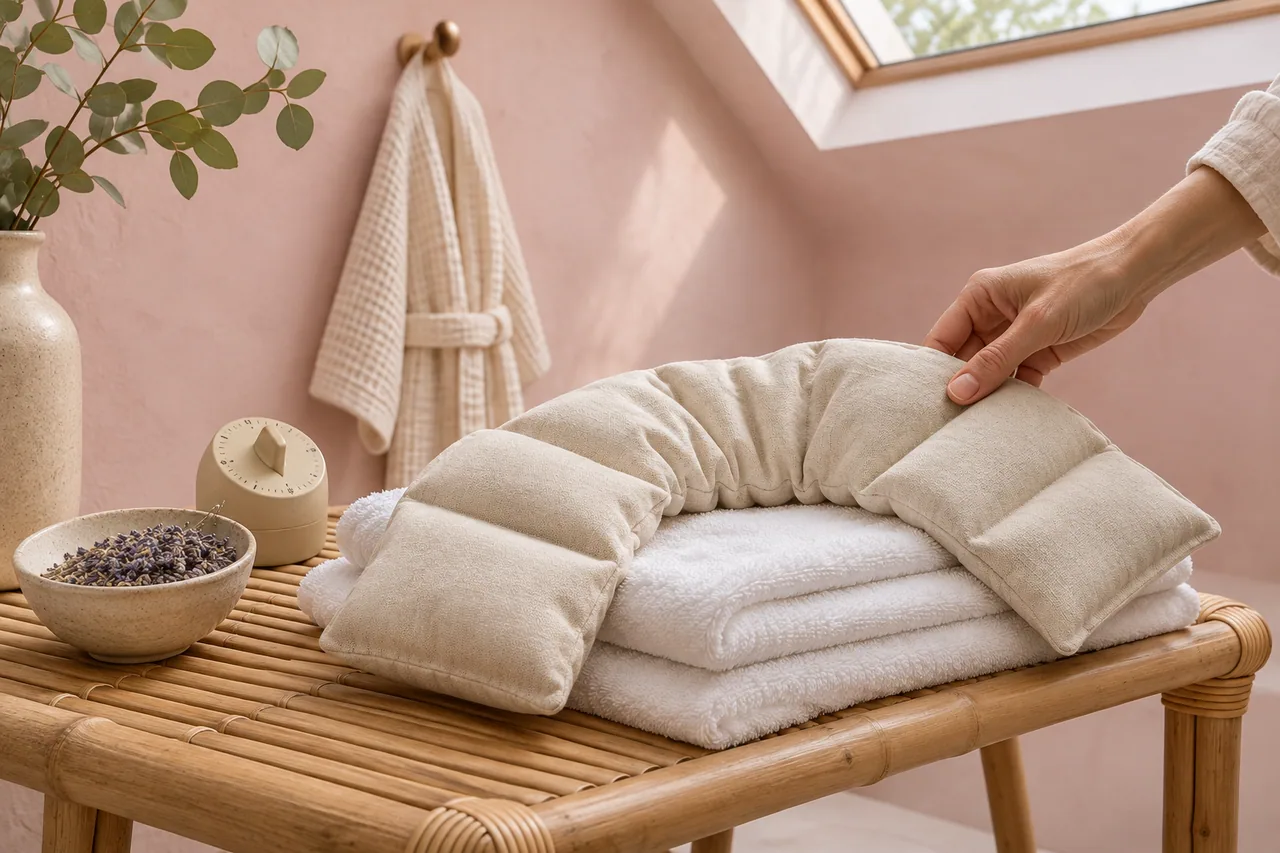
Creating a peaceful home relaxation environment allows you to step away from daily stressors and give fatigued muscles dedicated care. For individuals seeking targeted upper body comfort during quiet evening breaks or weekend downtime, searching for a heated neck wrap spa option brings up specialized warming wraps designed to rest across the neck and shoulders. An ergonomic contoured neck and shoulder heating pad delivers soothing warmth around the cervical vertebrae and upper trapezius, offering a restorative, non-invasive home spa experience.
To design an effective home relaxation routine, buyers benefit from understanding how to set up a quiet sanctuary space, how to evaluate wrap contouring and fabric touch, how pure heating wraps compare to weighted body pads and mechanical massagers, how to integrate warming breaks into daily self-care rhythms, how thermal wraps differ from travel pillows and sleep posture aids, and how to practice strict thermal safety habits.
This comprehensive guide walks you through building a home spa relaxation routine—covering environment design, fabric and fit considerations, wellness product comparisons, session timing, rest aid distinctions, fabric care, thermal safety rules, and a helpful buyer FAQ.
Designing a Sanctuary Space: Setting Up Your Home Relaxation Environment
Transforming a corner of your home into a soothing relaxation space elevates a simple warming break into a mindful home spa ritual.
Creating a Calm Physical Setting
To maximize relaxation during your warming break, choose a quiet, comfortable area in your living room, bedroom, or home office away from household noise and screen distractions:
- Comfortable Upright Seating: Select a supportive armchair or sofa where your upper back and head are comfortably supported. Sitting upright or in a slightly reclined position allows a heated neck and shoulder wrap to rest smoothly across your trapezius muscles without sagging.
- Ambient Lighting and Sound: Dim harsh overhead lighting or use soft lamp light. Playing gentle background music or quiet ambient sounds can help clear mental clutter while you enjoy thermal warmth.
- Temperature Awareness: Keep the room at a comfortable ambient temperature so you can enjoy gentle heat without feeling chilled or excessively warm.
Fit and Tactile Comfort: Collar Contour, Shoulder Drape, and Fabric Touch
The physical construction of a spa heating pad for neck comfort determines how effectively warmth transfers across your upper body while keeping you comfortable.
Ergonomic High-Collar Shaping
A contoured wrap is shaped for neck and shoulder coverage. Compare the dimensions and adjustability of each model with the fit you prefer.
Trapezius Drapes and Hands-Free Fastening
Some wraps have panels or closures. Check the product description for its particular shape and fastening.
Plush Fabric Texture
Consider the texture of the cover and whether it feels comfortable against your clothing.
Comparing Home Spa Options: Heated Neck Wraps vs. Body Pads vs. Massagers
When curating personal wellness items for home use, consumers often compare different categories of warming and muscle relaxation devices. Understanding how targeted neck wraps compare to other wellness products helps clarify their distinct roles.
Heated Neck Wraps vs. Weighted Body Pads
It is useful to compare specialized neck wraps with general-purpose weighted heating pads, such as the WeightedWarmth™ Weighted Body Pad with Heat from Pure Enrichment:
- Neck wraps: Compare the coverage and fastening shown for the particular product.
- WeightedWarmth™ Body Pad: Pure Enrichment presents this as a separate weighted body pad. Compare its size and intended use with those of a neck wrap.
Heating Wraps vs. Mechanical Shiatsu Massagers
Heating wraps and mechanical massagers serve different purposes. RENPHO offers a collection of neck and back massagers.
- Heating wraps: A heating wrap provides warmth without necessarily providing mechanical massage.
- RENPHO massagers: The collection includes mechanical massage devices. Features differ between individual models.
Daily Self-Care Rhythms: Session Timing and Mindful Rest Pauses
Integrating thermal heat therapy into your daily self-care routine works best when approached with intentional timing and regular breaks.
Short, Intentional Warming Sessions
Follow the product instructions for session length, check your skin during use, and stop if the device feels too hot.
Integrating Warmth into Daily Transitions
- Post-work transition: Set aside a quiet break when you can remain awake and attentive to your skin.
- Evening routine: Use the wrap only while awake, then switch it off and remove it before sleep.
Distinguishing Rest Aids: Thermal Wraps vs. Travel Pillows vs. Sleep Posture
Understanding the specific functions of different rest and support products prevents confusion when selecting gear for home relaxation, travel, or night-time sleep.
Thermal Neck Wraps vs. Structural Travel Pillows
It is important to distinguish active warming wraps from passive travel support pillows, such as the Trtl Travel Neck Pillow:
- Active Heating Wraps: Provide electrical or microwavable warmth to relax tight muscle tissue during conscious sitting at home or in an office.
- Trtl Travel Pillow: This separate travel pillow is designed for head and neck support during upright travel; it is not a heating product.
Thermal Heat Therapy vs. Night-Time Sleep Posture
Understanding sleep posture ergonomics also helps maintain long-term spinal health. Educational resources from Manta Sleep explore how different sleeping positions impact cervical alignment:
Back Sleeping: Supports neutral spinal alignment when paired with a supportive pillow that cradles the head and neck.
Side sleeping: Consider a pillow that supports the space between the ear and shoulder.
Stomach Sleeping: Can place excessive rotational strain on the neck muscles and cervical vertebrae.
Choose sleeping support separately from heat use; heating pads and wraps must not be worn or used while sleeping.
Maintenance, Cleaning, and Essential Thermal Safety Protocols
Proper fabric care preserves material softness, while strict thermal safety rules protect your skin from harm during home spa sessions.
Fabric Care and Electrical Cleaning Rules
Always consult the specific product care label and instruction manual provided with your device before cleaning:
- Disconnect Power First: Always unplug the power cord from the wall outlet or detach battery units before performing any maintenance.
- Never Submerge Active Electrical Components: Never submerge electrical wires, plugs, or controllers in water. Water ingress can cause electrical short circuits and damage internal circuits.
- Cleaning method: Follow the care label for the specific product. Unplug it before cleaning and let all parts dry before reconnecting power.
Crucial Burn Prevention Guidelines
Absolute Prohibition on Sleeping with Heating Devices: Never wear or use any heating pad or wrap while sleeping or napping. Falling asleep with an active warming device significantly reduces your sensory awareness of rising skin temperatures, preventing you from removing the heat source if it becomes uncomfortably hot and greatly increasing the risk of severe thermal skin burns and electrical hazards. Always turn off, unplug, and remove your heating wrap before lying down to sleep.
- Session length: Follow the product instructions and monitor your skin. Short use does not eliminate burn risk.
- Immediate Discontinuation if Uncomfortably Hot: Neither automatic shut-off timers, multi-level temperature controls, nor protective cloth layers guarantee that thermal burns or skin irritation cannot occur. Individual skin sensitivity varies widely. If a heating wrap feels uncomfortably hot at any point, stop using the device immediately and turn off the power. Do not attempt to force continued use by adding extra towels or cloth layers over an uncomfortably hot pad.
- Inspect Skin Periodically: Regularly check your skin during and after each warming session. Discontinue use immediately if your skin appears excessively red or feels irritated.
Q1: How does a specialized neck heating wrap differ from a general weighted body pad?
Compare the coverage and power instructions of each product. WeightedWarmth is a separate body pad, while a neck wrap is shaped for the neck and shoulders.
Q2: What is the difference between a heating wrap and a mechanical neck massager?
A heating wrap provides warmth; a mechanical massager adds movement. Check each product listing for its actual features.
Q3: Can I use a travel pillow like Trtl for heat therapy at home?
No. The Trtl Travel Pillow is a passive travel support pillow with an internal structural rib designed for upright head support during travel. It does not generate heat and is not a thermal therapy product.
Q4: Can I fall asleep wearing my heated neck wrap during a home spa session?
No. Never wear or use any heating pad or wrap while sleeping or napping. Reduced sensory awareness during sleep increases the risk of severe thermal skin burns. Always turn off and remove the wrap before going to sleep.
Q5: How should I clean my heated neck wrap safely?
Disconnect power first and follow the product care label. Keep electrical components out of water.
Medical Disclaimer
Disclaimer: The information provided in this guide is for educational and self-care informational purposes only and does not constitute professional medical advice, diagnosis, or treatment. Always consult a qualified physician or physical therapist regarding persistent neck pain, underlying spine conditions, or before starting any new heat therapy routine.
Cong
Cong draws on years of experience in electric heating product processing and manufacturing, together with market research, to explain personal heating products in practical terms.
View author profile