
 By Cong Updated
Explore heated neck wraps in the UK, comparing contoured shoulder fit, 230V mains plug requirements, heat settings, auto shut-off timers, and fabric care.
Overview
A long day at a desk or an awkward night's sleep can leave your neck and shoulders feeling stiff. A heated neck wrap offers a way to bring comfortable warmth to the area during a quiet break at home. For readers shopping in the UK, fit, coverage and ease of use are useful places to start.
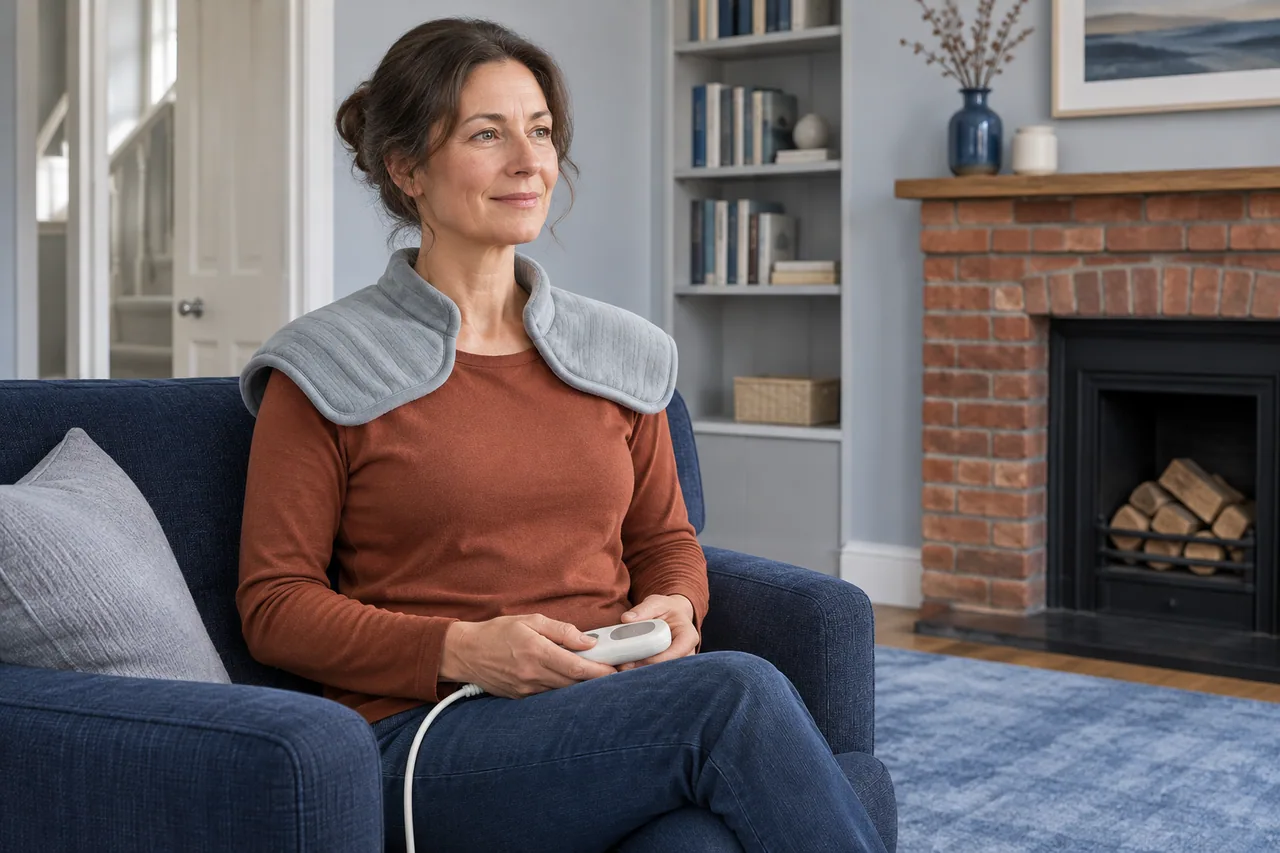
A heated neck and shoulder wrap comes in several shapes, so think about where it needs to sit and how you plan to use it. A higher collar can cover the back of the neck, while a broader design reaches farther across the shoulders. The right fit is one that feels comfortable during a short, awake rest.
Alongside fit and care, it helps to understand when people use warmth or cold, how to avoid overheating the skin, and which symptoms call for urgent medical attention. This guide brings those decisions together for anyone comparing a neck heating wrap in the UK.
Key Buying Considerations for Selecting a Heated Neck Wrap in the UK
When shopping for a heated neck wrap in the UK, compare practical features for fit, comfort, care, and safety:
Ergonomic High-Collar Fit and Coverage
Start with coverage. Decide whether you want warmth concentrated at the back of the neck or spread over the shoulders and upper back.
For a neck wrap for stiffness, compare the shape and dimensions with the area you want to cover. If you prefer a weighted neck heating pad, consider how its weight will rest across your shoulders and whether the wrap feels comfortable when you sit upright.
Multi-Level Temperature Controls
Individual heat tolerance and room temperatures vary throughout the year. Select wraps featuring intuitive multi-level temperature controls so you can adjust warmth intensity to suit your personal comfort level and skin sensitivity.
Built-In Safety Protection
When comparing electric wraps, look at the controls and safety features described for each model. An automatic shut-off can provide an additional safeguard, but it is still important to switch the wrap off before sleeping or leaving it unattended.
Fabric Softness and Easy Maintenance
Fabric texture and care are practical details to compare. Check the instructions for the particular wrap to see how its cover and electrical components should be cleaned and dried.
The Health Science of Thermal Comfort: How Heat Eases Neck Stiffness
While a heated neck wrap in the UK is a cozy personal accessory, the physical relaxation it provides relies on well-established thermal health mechanisms.
Encouraging Local Blood Flow and Vasodilation
Applying mild, comfortable warmth to the neck and upper back stimulates thermal nerve receptors in the skin. This input prompts local blood vessels to expand—a physiological process known as vasodilation.
Warmth increases local circulation and can help ease the feeling of muscle stiffness.
Soothing Muscle Tightness and Joint Stiffness
Continuous static sitting often causes muscles supporting the cervical spine to remain in a state of sustained tightness. Warmth helps soothe muscle tension, relaxing stiff trapezius and levator scapulae fibers.
For individuals experiencing chronic joint discomfort or morning stiffness, warmth helps relax surrounding muscles and connective tissue. Warming tight muscle fibers enhances tissue flexibility, making gentle neck movements and posture stretches feel smoother and more comfortable after a warming session.
A Soothing Sensation
A comfortable level of warmth can provide a soothing sensation during a break or while relaxing at home.
Heat vs. Cold Therapy: Choosing the Right Modality
When neck stiffness or joint discomfort arises, deciding whether to apply an ice pack or a warming pad depends on the timing and cause of the issue.
Cold Therapy (Cryotherapy)
- Physiological Action: Cold application causes local blood vessels to narrow (vasoconstriction), slowing regional blood flow, curbing local fluid accumulation, and temporarily numbing pain signals.
- Primary Indications: Cold therapy is commonly used for a recent minor strain or swelling. Neck pain after a serious fall or collision requires urgent medical assessment.
- Application: Apply a wrapped cold pack for brief sessions of 15 to 20 minutes at a time. Keep a fabric layer between the pack and your skin; do not apply cold to an open wound or an area that is already numb.
Heat Therapy (Thermotherapy)
- Physiological Action: Applied warmth expands blood vessels (vasodilation), boosts local circulation, and relaxes tight muscle fibers.
- Primary Indications: Heat therapy is recommended for ongoing muscle tightness, chronic stiffness, morning neck discomfort, posture fatigue from screen work, or warming up muscles prior to gentle physical exercise.
- Application: Apply comfortable warmth over the neck and shoulders in brief sessions of 15 to 20 minutes, using an insulating fabric layer to safeguard the skin.
Contrast Applications
For general muscle soreness without acute swelling, alternating between brief cold and warm applications can provide a comforting sensory experience. Always stop any application if your skin feels uncomfortably hot or cold.
Safe Operational Protocols and Burn Prevention Guidelines
Electric and microwaveable heating wraps provide convenient home comfort, but thermal safety protocols must always be observed. Misusing a heating device or exposing delicate skin to continuous heat can cause thermal skin burns or skin irritation.
Follow Product Manual Instructions
Because heating element designs, power arrangements, fabric layers, and control features differ across products, always read and follow the specific user manual provided with your device to ensure proper operation and care.
Adhere to the 15-to-20 Minute Application Guideline
A general rule for thermal application is to limit individual heating sessions to 15 to 20 minutes. Use a comfortable temperature and check your skin during each session.
- Skin Safety Notice: Limiting sessions to 15 or 20 minutes or using an insulating cloth barrier does not eliminate the risk of burns. Check your skin during and after use, and turn off the device if it feels uncomfortably hot or your skin becomes excessively red. Do not apply heat to a fresh injury, an open wound, skin that is already hot or inflamed, or an area that is numb or has reduced heat sensation.
Maintain a Protective Insulation Layer
Never place an active heating element directly against bare skin unless the device features an integrated plush cover specifically designed and approved by the manufacturer for direct contact. Placing a clean towel or clothing layer between the heater and your skin acts as an essential thermal barrier against excessive warmth.
Absolute Prohibition on Sleeping While Using Heating Devices
Never use a heating pad or wrap while sleeping. Falling asleep with an active heating wrap significantly increases the risk of severe thermal skin burns, as sleeping reduces your sensory awareness of rising skin temperatures and prevents you from removing the heat source when needed. In addition, sleeping with plugged-in electrical cables creates risks of cord damage, tangling, or electrical hazards. Always turn off and unplug your heating device before lying down to sleep or nap. While automatic shut-off timers provide a secondary safety feature, they must never replace manually turning off the device before sleeping.
Water Exposure and Cleaning Guidelines
- Electrical Components: Wiring, controllers, and power connectors must be kept dry. Disconnect the wrap from power before cleaning and follow its care instructions.
- Cleaning Procedures: For non-submersible units, spot clean outer surfaces with a damp cloth according to manufacturer instructions, ensuring the device is completely dry before reconnecting to power.
Medical Considerations: Distinguishing Soreness from Urgent Red Flags
Most instances of mild neck stiffness result from routine muscle fatigue, poor posture, or sleeping at an awkward angle. These common issues typically improve naturally within a few days of gentle self-care and rest. However, neck pain can sometimes indicate an underlying cervical spine issue or systemic medical condition.
Symptoms Requiring Emergency Medical Care
Seek immediate emergency medical attention (such as attending an Accident & Emergency department or calling emergency services) if your neck stiffness is accompanied by any of the following critical warning signs:
- Severe Trauma or Impact: Neck stiffness resulting from a motor vehicle collision, fall from height, or severe athletic impact.
- Progressive Neurological Deficits: Numbness, tingling, "pins and needles," or progressive muscle weakness radiating down an arm, shoulder, or hand.
- High Fever and Severe Neck Rigidity: Severe neck stiffness accompanied by a high fever, sudden intense headache, nausea, vomiting, light sensitivity, or confusion.
- Loss of Coordination or Incontinence: Sudden difficulty balancing, trouble walking, clumsiness in the hands, or any loss of bowel or bladder control.
When to Schedule a GP Consultation
If your neck discomfort is not accompanied by emergency red flags but fails to show any improvement after one week of gentle home self-care, schedule a regular consultation with your GP (General Practitioner) or a qualified physical therapist for a thorough evaluation.
Summary: Enjoying Safe Thermal Comfort
Searching for a reliable heated neck wrap in the UK is a practical step toward managing everyday upper body fatigue. By choosing an ergonomically contoured design, limiting sessions to 15–20 minutes, maintaining a protective fabric barrier, and adhering to heat safety rules, you can enjoy reassuring thermal comfort wherever your daily routine takes you.
Medical Disclaimer
Disclaimer: The information provided in this guide is for educational and self-care informational purposes only and does not constitute professional medical advice, diagnosis, or treatment. Always consult a qualified physician, GP, or physical therapist regarding persistent neck pain, underlying spine conditions, or before starting any new heat therapy routine.
Cong
Cong draws on years of experience in electric heating product processing and manufacturing, together with market research, to explain personal heating products in practical terms.
View author profile