
 By Cong Updated
Compare lavender heated neck wraps across microwavable herbal packs and unscented electric alternatives, with guidance on fragrance sensitivity and care.
Overview
Modern daily routines place continuous physical demands on the cervical spine, shoulders, and upper back. Working extended hours at computer workstations, driving through heavy traffic, or spending prolonged periods looking down at smartphones and tablets frequently leads to forward-head posture—commonly described as "text neck." Over the course of a busy day, the levator scapulae, upper trapezius, and rhomboid muscles supporting the neck can easily become fatigued, tight, and uncomfortable.
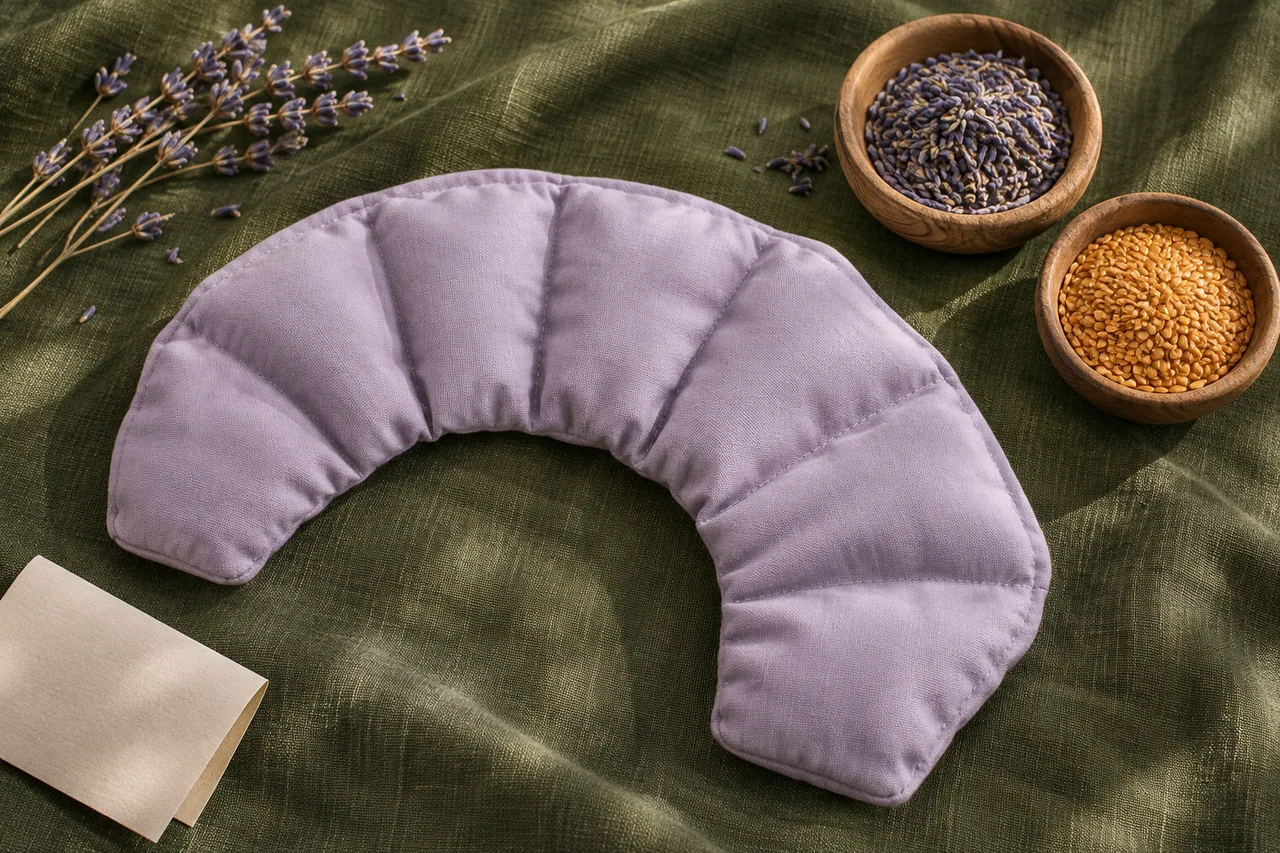
To ease everyday upper body tension, many consumers explore personal warming products. Searching for a heated neck wrap lavender option reveals a variety of specialized wraps designed to deliver soothing warmth around the neck and shoulders while diffusing a gentle floral aroma. Combining physical warmth with a subtle botanical scent, a lavender heated neck wrap offers a relaxing sensory experience for daily home self-care.
However, selecting and using a lavender neck heating pad effectively requires understanding more than basic aesthetic appeal. Buyers benefit from knowing how herbal aromas interact with personal sensory preferences, how cordless microwavable wraps differ structurally from electric corded heating pads, how warmth affects tight muscle tissue, and how to practice strict thermal safety habits. This practical consumer guide covers sensory considerations, product form factor comparisons, thermal health principles, safe operating protocols, urgent medical red flags, and key buying considerations for selecting a weighted neck heating pad lavender wrap.
Sensory Considerations: Lavender Aroma and Personal Preferences
When considering an aromatherapy heated neck wrap, understanding the distinction between sensory enjoyment and clinical medical claims helps set realistic expectations.
Sensory Ambience vs. Medical Boundaries
A lavender-scented wrap adds fragrance to the experience of warmth. Choose a scent you enjoy; fragrance is a personal preference.
From a sensory perspective, a pleasant lavender fragrance provides a calming, cozy atmosphere during quiet moments after work or before bedtime. However, it is essential to distinguish subjective aromatic enjoyment from clinical medical treatment:
- Somatic Comfort: The gentle scent creates a comforting environment that many users find pleasant during quiet evening downtime or self-care routines.
- No Medical Claims: Herbal fragrances do not cure clinical anxiety, treat chronic insomnia, or correct structural cervical spine disorders. Fragrance functions strictly as an aesthetic and sensory comfort feature.
Fragrance Sensitivity and Choices
Sensory preferences vary. If a scent bothers you, a fragrance-free option lets you enjoy warmth without it.
Product Form Factors: Microwavable Herbal Wraps vs. Electric Heating Pads
Heating wraps come in different forms. Compare how each product is heated, where you plan to use it, and the care instructions. Wirecutter’s review discusses electric heating pads.
Cordless Microwavable Herbal Wraps
A microwavable wrap is warmed before use, following the instructions supplied with that particular product.
- Cordless Mobility: Because they operate without an electrical power cord during use, microwavable wraps allow you to move freely around your home, sit at a desk, or relax in any chair without needing a nearby wall outlet.
- Fit and weight: Consider whether the wrap sits comfortably across your shoulders and stays in place as you move.
- Care: Read the product’s cleaning instructions and follow its specified heating method.
Electric Corded Heating Pads
Electric heating pads use an electrical power supply. Check how a product is powered before choosing a place to use it.
- Controls: Look for controls that are easy to reach and understand during use.
- Adjustable features: Compare available heat settings and automatic shutoff features where offered.
- Care: Check the cleaning instructions for the particular model, including whether any cover is removable.
- Location: Consider where the cord and controls will sit in your usual space.
Physiological Science: How Warmth Soothes Muscle Knots and Tension
While a heated neck and shoulder wrap provides a cozy sensory experience, its physical relaxation benefits are grounded in established physiological mechanisms.
Understanding Myofascial Trigger Points ("Muscle Knots")
Prolonged desk sitting, forward-head posture, or repetitive physical strain frequently causes small, tight, tender nodules to develop in muscle fibers—medically known as myofascial trigger points or "muscle knots." These knots commonly form in the levator scapulae and upper trapezius muscles. Muscle knots can be tender and uncomfortable.
Physiological Mechanisms of Applied Heat
Applying controlled warmth to an active muscle knot triggers several natural physical responses:
- Promoting Localized Vasodilation: Heat stimulates thermal nerve receptors in the skin, causing local blood vessels to expand (vasodilation). This expansion increases localized blood circulation across the warmed tissue.
- Relieving Muscle Spasms: Increased circulation helps relax tight muscle fibers, reducing involuntary muscle spasms and making tissues feel softer and more flexible.
Multi-Zone Utility and Household Versatility
The physiological benefit of heat therapy—relaxing constricted muscle fibers and boosting local circulation—applies to multiple areas of the body. Clinical self-care literature, such as Verywell Health's guide on period cramp management, highlights that applying a flexible heating pad to the lower abdomen provides soothing comfort on cramp days. Warmth helps relax tight abdominal smooth muscles, encouraging local blood flow and providing non-invasive comfort.
A heating pad designed for the abdomen can also be used for period discomfort according to its own instructions.
Heat vs. Cold Therapy: Choosing the Right Modality
When experiencing muscle stiffness or joint discomfort, deciding whether to apply an ice pack or a warming wrap depends on the timing and underlying cause of the issue.
Cold Therapy (Cryotherapy)
- Physiological Action: Cold application contracts local blood vessels (vasoconstriction), slowing regional blood flow, curbing local fluid accumulation, and temporarily numbing pain signals.
- Primary Indications: Cold therapy is recommended for acute injuries, sudden muscle sprains, or visible swelling resulting from a sudden impact, fall, or athletic sprain occurring within the first 48 hours.
- Application: Apply a wrapped cold pack for brief sessions of 15 to 20 minutes at a time, keeping a protective fabric barrier between the ice pack and bare skin to avoid skin damage.
Heat Therapy (Thermotherapy)
- Physiological Action: Applied warmth expands blood vessels (vasodilation), boosts local circulation, and relaxes tight muscle fibers.
- Primary Indications: Heat therapy is preferred for ongoing muscle tightness, chronic joint stiffness, morning neck discomfort, posture fatigue from screen work, or relaxing lower abdominal muscles on cramp days.
- Application: Apply comfortable warmth over the target area in brief sessions of 15 to 20 minutes, using an insulating fabric layer to safeguard the skin.
Alternating Therapy
For general muscle soreness without acute swelling, alternating between brief cold and warm applications can provide a comforting sensory experience. Always stop any application if your skin feels uncomfortably hot or cold.
Operational Safety, Burn Prevention, and Cleaning Rules
Electric and microwavable heating wraps provide convenient home comfort, but thermal and electrical safety rules must always be strictly observed. Misusing a heating device or exposing delicate skin to continuous heat can cause thermal skin burns or skin irritation.
Follow Product Care Labels and Manuals
Because heating element arrangements, fabric layers, filler materials, and control settings vary between products, always read and strictly follow the user manual provided with your specific device.
Adhere to the 15-to-20 Minute Application Guideline
A general rule for thermal application is to limit individual heating sessions to 15 to 20 minutes. Follow the product instructions and check your skin during use.
- Skin Safety Notice: Limiting sessions to 15 or 20 minutes or using an insulating cloth barrier does not guarantee that thermal skin burns or irritation cannot occur. Individual skin sensitivity varies widely. Always inspect your skin periodically during and after use, and turn off or remove the device immediately if your skin feels uncomfortably hot or appears excessively red.
Maintain a Protective Insulation Layer
Use a protective cloth barrier between the heat source and skin. Check your skin regularly: a barrier does not eliminate burn risk.
Absolute Prohibition on Sleeping While Using Heating Devices
Never use or wear a heating pad or wrap while sleeping. Falling asleep with an active heating wrap significantly increases the risk of severe thermal skin burns, as sleeping reduces your sensory awareness of rising skin temperatures and prevents you from removing the heat source when needed. In addition, sleeping with plugged-in electrical cords creates risks of cord damage, tangling, or electrical hazards. Always turn off, unplug, or remove your heating device before lying down to sleep or nap. While automatic shut-off timers provide a secondary safety feature on electric models, they must never replace manually turning off the device before sleeping.
Microwave Heating Safety Rules
When heating a microwavable wrap:
- Follow Manufacturer Time Limits: Strictly adhere to the heating durations specified in the product manual. Never overheat the wrap, as excessive heating can scorch internal fills or create burn risks.
- Ensure Clean Turntables: Verify that the microwave turntable is clean and free of food residue before heating.
Electrical Cleaning and Water Safety
- Electric Heating Pads: Always disconnect power cords and controllers before cleaning. Never submerge active electrical components, wires, or plugged-in controllers in water. Only wash removable fabric covers if explicitly permitted by the manufacturer's care label, and ensure all connectors are completely dry before reconnecting to power.
- Microwavable wraps: Follow the product care instructions for cleaning and drying.
Medical Considerations: Distinguishing Soreness from Urgent Red Flags
Neck discomfort can arise in different circumstances. Pay attention to symptoms that call for urgent medical care.
Symptoms Requiring Emergency Medical Care
Seek immediate emergency medical care (attending an Accident & Emergency / Emergency Department or calling emergency services immediately) if your neck stiffness is accompanied by any of the following critical warning signs:
- Severe Trauma or Impact: Neck stiffness resulting from a car crash, fall from height, or violent athletic collision.
- Progressive Neurological Deficits: Numbness, tingling, "pins and needles," or progressive muscle weakness radiating down an arm, shoulder, or hand.
- High Fever and Severe Neck Rigidity: Severe neck stiffness accompanied by a high fever, sudden intense headache, nausea, vomiting, light sensitivity, or confusion.
- Loss of Coordination or Incontinence: Sudden difficulty balancing, trouble walking, clumsiness in the hands, or any loss of bowel or bladder control.
When to Schedule a Doctor's Visit
If your neck discomfort is not accompanied by emergency red flags but fails to show any improvement after one week of gentle home self-care, schedule a regular consultation with a physician or physical therapist for a thorough evaluation.
Smart Buyer Decision Checklist
When shopping for a lavender neck wrap, compare the details that matter to your routine:
- Scent preference: Choose a fragrance you enjoy, or select an unscented option.
- Power source and mobility: Compare heating methods and how each fits the place you plan to use it.
- Ergonomic Shape and Fit: Look for high-collar neck shaping and contoured shoulder drapes that keep the warming surface resting smoothly against your upper back without slipping.
- Hygienic Maintenance: Verify care instructions to confirm whether the wrap features a removable, washable cover or requires spot cleaning.
- Thermal Safety Habits: Practice 15–20 minute session limits, keep a protective fabric barrier against bare skin, inspect skin regularly, and never wear a heating device while sleeping.
Medical Disclaimer
Disclaimer: The information provided in this guide is for educational and self-care informational purposes only and does not constitute professional medical advice, diagnosis, or treatment. Always consult a qualified physician or physical therapist regarding persistent neck pain, underlying spine conditions, or before starting any new heat therapy routine.
Cong
Cong draws on years of experience in electric heating product processing and manufacturing, together with market research, to explain personal heating products in practical terms.
View author profile