
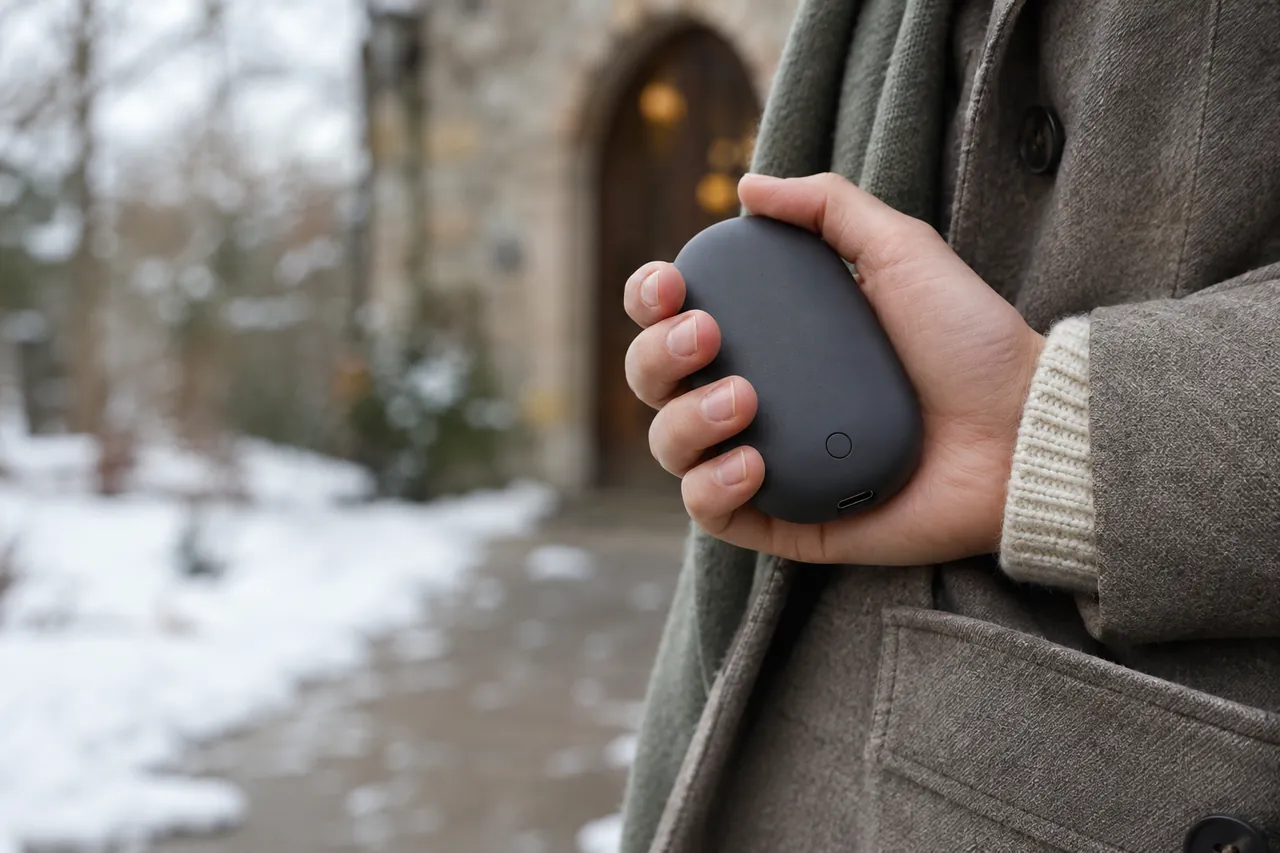
Before a child heads outside, start with the whole winter plan: dry clothing, mittens or gloves, a hat, suitable boots and a way to take breaks indoors. A hand warmer is an optional accessory, not a replacement for those basics. If you are considering an electric hand warmer for kids, check the exact product’s age and use instructions and keep an adult involved.
Introduction
The American Academy of Pediatrics (AAP) offers winter safety guidance for families, including what to do when frostbite or hypothermia is suspected. This guide puts that advice first, then explains how to assess a warming device and check its model against a recall.
Before leaving: make a clothing and break plan
Dress children in several thin layers and choose clothing that helps them stay warm and dry. The AAP highlights insulated boots, mittens or gloves and a hat. Check the weather and wind chill before deciding how long to stay outside. The AAP advises generally avoiding outdoor play when the temperature or wind chill falls below −15°F (about −26°C), because exposed skin can freeze within minutes at that level. Conditions can change during an outing, so make a plan for a warm indoor break and a way to change wet clothing.
Fit matters. A glove or mitten should let the child move their fingers comfortably, and boots should fit with the socks they will wear. Pack a spare pair of gloves or socks when snow or slush is likely. A wet item can turn a comfortable outing into an uncomfortable one; replace it rather than relying on a heating device to make up for damp clothing.
Tell children in simple language to come inside and tell an adult if their fingers or toes hurt, feel numb or become hard to move. Younger children may need a caregiver to check on them more often. A warm-up break is also a chance to see whether clothing has become wet and whether the child wants to continue playing.
During play: watch the child, not the clock alone
The AAP recommends reasonable limits on outdoor play and indoor breaks. A schedule helps, but conditions and children vary. Wind, wet clothing and the activity itself can change how comfortable a child feels. Check in regularly, especially when children are absorbed in a game and may not want to stop.
Make the break easy to take. Know where the nearest warm indoor space is, bring dry clothing if you are away from home, and make sure the adult supervising knows the plan. For a longer event, think about the trip home as well as the time spent outdoors. A child who becomes wet near the end of an outing still needs dry clothing and a warm place.
A device in a pocket does not tell you whether the rest of the child is warm or whether their clothing is dry. Continue checking hands, feet, ears and overall comfort. Do not leave a child outside longer simply because a warmer is available.
If fingers become numb or change colour
Frostbite is a cold injury. The AAP says fingers, toes, ears and noses are common areas, and frostbitten skin may hurt or burn before becoming numb; it can turn white or pale grey and may blister. Bring the child indoors if frostbite is suspected. Do not rub the affected area or pop blisters.
White, hard and numb skin needs prompt medical attention. The AAP symptom guide says to seek care for those signs and notes that true frostbite needs medical care after rewarming. If there are signs of hypothermia, treat that as an emergency first. When immediate medical care is unavailable and there are no signs of hypothermia, the CDC advises placing affected areas in warm, not hot, water; do not rewarm if the area could freeze again. Never rub the skin or press an electric hand warmer against it. Numb skin can burn without the child noticing, so avoid heating pads, lamps and heaters on the injured area. Keep the rest of the child warm while arranging help.
Hypothermia is a medical emergency. The AAP describes signs such as shivering followed by sluggishness, clumsiness or slurred speech. Call emergency services immediately if hypothermia is suspected. While help is coming, move the child indoors, remove wet clothing and wrap them in dry blankets or warm clothing, as the AAP directs.
Where an electric hand warmer fits
A rechargeable warmer may be considered only if the instructions for the exact model allow the intended child to use it. Check the stated age restrictions, warnings, controls and placement directions. An adult should prepare and supervise its use, check the child’s comfort and skin, and stop using it if it becomes too hot or causes irritation. Do not invent an age threshold from another product’s label.
A soft-looking cover or a playful shape does not establish that a device is intended for children. Nor does a timer replace supervision. Keep the instructions accessible, teach the child how to tell an adult that something feels uncomfortable, and make sure the device can be switched off promptly. If a child cannot reliably report discomfort, that matters when deciding whether to use a heat source.
Think through an ordinary break before deciding whether to bring a device. Can the supervising adult take it away and turn it off immediately? Can the child describe how their hands feel, and are the gloves still dry? Keep the control accessible according to the product instructions, and check the child rather than judging comfort from the setting alone. If the warmer causes discomfort, stop using it. A dry spare pair of mittens and a nearby indoor space remain useful whether or not a device is part of the plan.
Before packing the device, find the model number on the unit and keep its instructions with the family’s cold-weather supplies. Check that the cable, casing and battery show no visible damage; let an adult handle charging. A model number is also the detail needed to compare the product with a safety notice. An appealing colour or character on the casing does not answer those practical questions.
Keep the warmer out of the child’s sleeping area and switch it off when it is no longer being used. For school trips or activities supervised by another adult, share the plan and the product directions with the person responsible. If the instructions do not cover the intended use, the family can rely on warm clothing and indoor breaks while choosing an appropriate alternative.
Check the model before using a battery device
The U.S. Consumer Product Safety Commission announced a recall of OCOOPA rechargeable hand warmers with model numbers UT3053, UT3056, ZLS-118, ZLS-118S, ZLS-118D, H01 and H01(PD). The agency says the battery in the recalled units can overheat and ignite. It directs owners to stop using the affected products immediately and follow the recall process for a full refund.
The CPSC notice explains where to find the model and batch numbers and how to submit the requested information. It also gives disposal guidance for defective lithium-ion batteries: do not put the recalled device in household trash, ordinary recycling or retail used-battery boxes. Follow local hazardous-waste directions described in the notice. The recall applies to the identified models, not every hand warmer.
Keep the packaging or record the model identifier where you can find it. Before each use, look for damage to the device, cable or battery and follow the product’s own charging instructions. An adult should manage charging and storage. A product that is damaged or recalled should not be passed to another family member.
Cold hands can have different causes
Some families encounter advice about Raynaud’s when searching for hand warmers. Ocoopa discusses that condition in its product content, but a hand warmer is not established as a treatment for Raynaud’s or a way to prevent an episode. Persistent, unusual or painful symptoms deserve appropriate medical assessment. A device should never delay care for a suspected cold injury.
For an ordinary cold day, the most useful plan is straightforward: dress for the conditions, keep clothing dry, supervise play and take warm breaks. If a suitable product is used, follow its own instructions and monitor the child. Knowing when to come indoors and what signs need attention matters more than any promise of instant warmth.
Sources
American Academy of Pediatrics — Winter safety
American Academy of Pediatrics — Frostbite symptom guide
Ocoopa — Hand warmer collection
Ocoopa — Hand warmers and Raynaud’s