
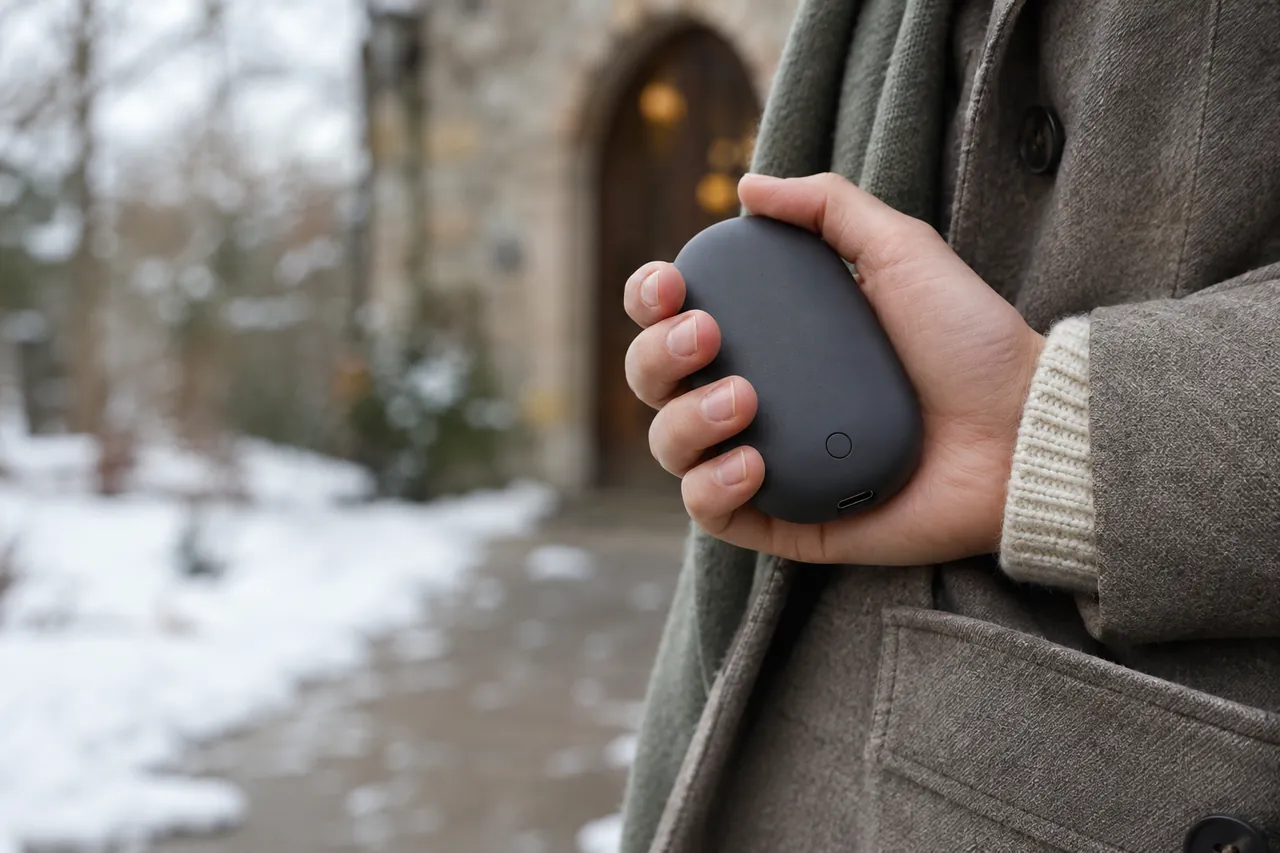
A pair of magnetic electric hand warmers is small enough to lose in a coat pocket, but it still deserves the same attention you would give another rechargeable device. Start by identifying the exact model, keep its instructions nearby and check each piece before use. Once you know the controls, you can plan how to carry, charge and store the pair without treating every product as if it works the same way.
Introduction
This guide follows the owner’s routine, from the label on the device to the end of the season. The examples are practical; the instructions on your particular warmer remain the source for its charging and operating details.
Before the first outing: identify both pieces
Find the name and model number on the device or its packaging. Save the manual and order confirmation where you can retrieve them later. If the product consists of two units, inspect both rather than assuming that a clean-looking outer face means the ports, controls and opposite sides are also undamaged.
Look for cracks, distorted casing, damaged connectors or other visible problems. A unit that is swollen, unusually hot or damaged should be taken out of use. Do not open a rechargeable warmer to investigate the battery yourself. If the product has arrived damaged, keep it disconnected and use the seller’s return process.
Check for recalls by model number
The U.S. Consumer Product Safety Commission’s July 30, 2026 OCOOPA recall identifies models UT3053, UT3056, ZLS-118, ZLS-118S, ZLS-118D, H01 and H01(PD). The notice says the batteries in affected warmers can overheat and ignite. It identifies the model and three-digit batch number on the underside.
Owners of affected units should stop using them and follow the official recall process. CPSC describes how to mark the device, submit a photograph with the model and batch number, and obtain a refund. It also warns against putting the defective device in household trash, curbside recycling or retail used-battery boxes. Follow the disposal guidance in the notice.
The OCOOPA notice lists specific models; it does not automatically cover every warmer from the brand. Separate CPSC recalls announced in October 2026 cover HotHands rechargeable model H163650 and Gobi Heat model UT3053. Check the brand and model on each unit, stop using an affected warmer, and follow the matching notice for the refund and hazardous-waste disposal steps. Keep the model information so you can check later alerts.
At home: learn the controls before you need them
With the manual beside you, identify the power control, setting indicator and charging port. Check whether each piece operates independently and how the selected setting is displayed. Practice switching the product off as described. The purpose is to recognize the controls without having to guess when your hands are cold or you are outside in poor light.
GearJunkie’s review of the OCOOPA UT3 PRO describes two units that heat and recharge independently, with four heat levels on that model. The review also notes a button, indicator and charging port on each unit. Those observations are useful when reading a review, but another magnetic pair can have different controls or accessories. A later Polish consumer-authority notice describes a Kolba safety campaign covering model UT4102, identified in reporting as UT3 PRO, because its battery may overheat or ignite. Do not use or charge a unit covered by that campaign; follow its return guidance.
Magnetic attachment can make two pieces easier to keep together. It does not establish which surfaces heat, whether a single control operates both pieces, or whether charging is allowed while they are joined. Use the instructions supplied for your warmer to understand those details. When the pieces are separate, keep track of both before leaving home.
Packing for the day
Choose a pocket or bag compartment where the device can be carried without being squeezed against hard objects. Keep the charging port and cable protected from moisture and physical damage according to the product instructions. If your pair includes a case or straps, use them as directed and check them periodically for wear.
Fit can be misleading in product photos. GearJunkie says the UT3 PRO does not fit in gloves or boots the way some smaller disposable warmers do. A coat pocket can be a more practical place for a device designed to be held. Do not force a rigid warmer into tight clothing or cover it in a way its manual prohibits.
For an outing that will last longer than usual, charge the device in advance using its stated method and bring suitable gloves and clothing. A rechargeable warmer has a finite charge, and an advertised maximum does not guarantee how long it will last at every setting or in every environment. Plan the day around the full clothing setup rather than one device.
During use: notice the device and your skin
Choose a comfortable setting using the controls described in the manual. Do not keep a warm surface pressed against one spot for an extended period. Move it away if it feels too hot, and stop using a device that behaves unusually, smells odd, shows damage or becomes excessively hot. Allow it to cool and keep it disconnected when safe to do so.
For someone whose fingers are numb, reduced sensation makes excessive heat harder to notice. Avoid direct heat on numb skin. The NHS describes Raynaud’s symptoms such as colour changes, pain, numbness and tingling, and recommends keeping warm and wearing gloves in cold weather. A warmer can provide comfort but is not a cure or a substitute for appropriate medical care.
Know the warning signs of a failing lithium-ion battery. Fire and Rescue NSW lists swelling, leaking, unusually high heat, strong odours and popping or hissing among signs of trouble. Stop using or charging a damaged device. If it begins to smoke or flame, leave the area, close doors if safe, avoid the fumes and call local emergency services from a safe place. Do not handle a burning device or return inside to retrieve it.
Back home: charge and clean according to the model
Let the device return to the condition required by its instructions before charging. Use the specified cable and power supply, connect them as directed and keep the port dry. A USB-shaped plug does not establish that every charger, cable or magnetic charging arrangement is suitable for every product.
There is no need to invent a universal rule about separating every magnetic pair before charging. The model’s instructions govern its arrangement. When the charging cycle is complete, disconnect and store the components as directed. Keep the cable with the device so it is not confused with a similar-looking lead from another appliance.
For cleaning, consult the instructions for the exact unit. Avoid immersing an electrical warmer or applying liquid to its port unless the manufacturer’s directions expressly allow that method. Store a damaged or malfunctioning unit out of use and do not attempt to open the case or replace the battery yourself.
A short troubleshooting path
One piece does not switch on
First identify the controls for that piece and follow the starting procedure in its manual. If the manual indicates that the battery needs charging, use the specified cable and charging method. Do not assume that a three-second press, double-click or any other sequence applies to every model. If the casing or connection is damaged, do not continue troubleshooting by charging it.
The device feels too hot
Stop using it and move it away from the skin. Allow it to cool in a safe place according to the product instructions. If you see swelling, damage, smoke or other signs of a serious fault, keep away from it and follow local emergency guidance as appropriate. Do not open the casing or put it back into service simply because it cools.
The run time feels shorter than expected
Revisit what the listed figure describes: one unit or a pair, a particular setting, and a maximum or observed result. GearJunkie notes that cold or damp conditions can affect rechargeable battery life. This is a reason to prepare for the conditions of a trip, not a basis for calculating an exact remaining run time.
When the season ends
Clean and store the pair using the product’s own directions. Put the manual, approved cable and both pieces together in a dry location allowed by those directions. Check the recommended storage and recharge interval for that model instead of applying a percentage or calendar schedule copied from another battery product.
Before the next season, inspect both units, the connectors and cable again. Recheck the model against current recall information, then follow the manual for bringing the device back into use. A few minutes spent identifying the exact equipment keeps the whole routine easier to manage.
Sources
U.S. CPSC, OCOOPA recall: https://www.cpsc.gov/Recalls/2026/OCOOPA-Direct-Recalls-1-5-Million-Rechargeable-Hand-Warmers-Due-to-Risk-of-Serious-Injury-or-Death-from-Fire-and-Burn-Hazards-One-Death-Reported-Imported-by-Shenzhen-Street-Cat-Technology
GearJunkie, hand warmer review: https://gearjunkie.com/winter/best-hand-warmers
NHS, Raynaud’s: https://www.nhs.uk/conditions/raynauds/
Mayo Clinic, Raynaud’s symptoms and causes: https://www.mayoclinic.org/diseases-conditions/raynauds-disease/symptoms-causes/syc-20363571
Fire and Rescue NSW, Battery Smoking or Fire