
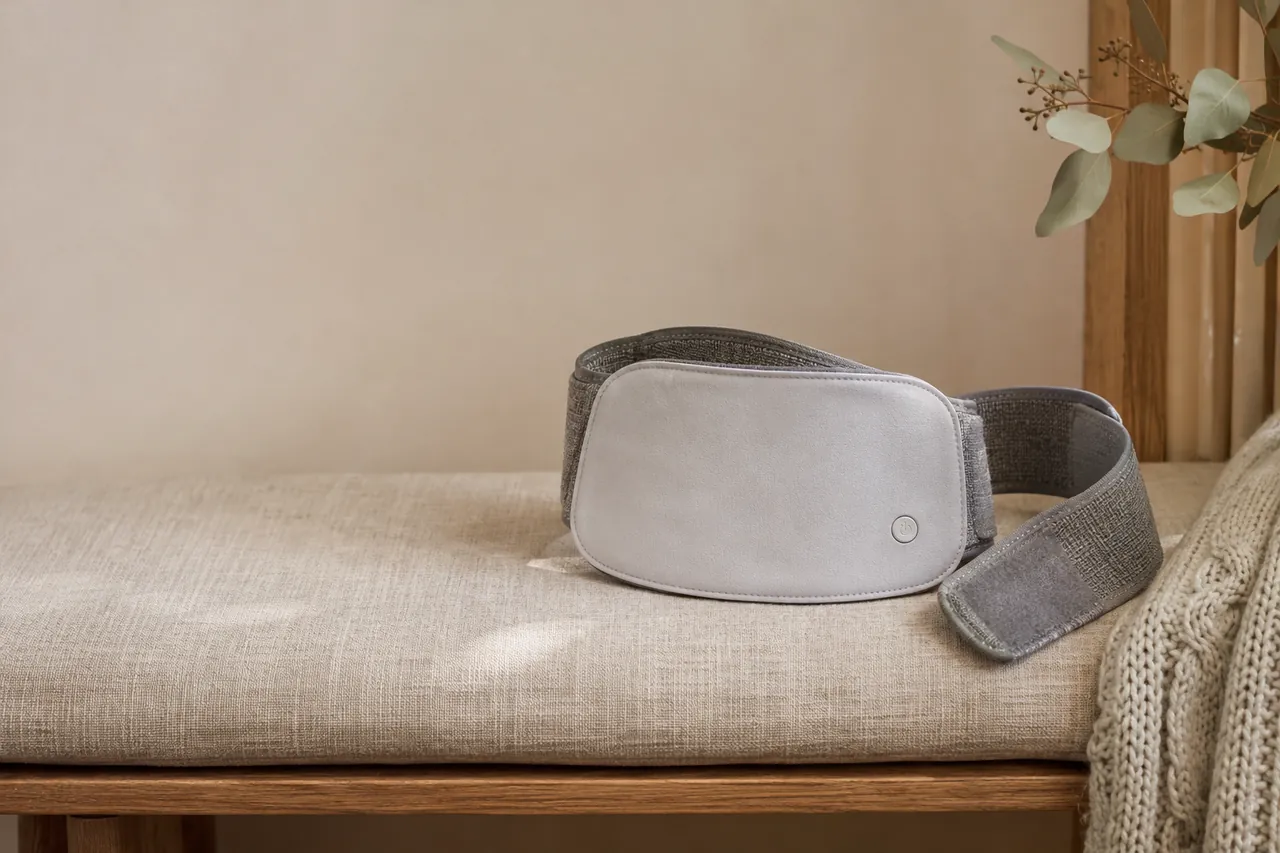
Yes. Heat applied to the lower abdomen can help ease menstrual cramps. The NHS includes a heat pad or wrapped hot-water bottle among its self-care options, and Mayo Clinic also lists heat for menstrual pain. Choose a comfortable level of warmth, protect your skin, and follow the directions for the particular product.
Introduction
Heat is one way to manage discomfort. The right approach also depends on how severe the pain is, whether your symptoms have changed, and what other measures are suitable for you. A heating pad can offer a useful break while you pay attention to those signals.
Why might warmth feel helpful during a period?
Menstrual cramps can cause an ache or sharper pain in the lower abdomen, sometimes spreading to the back or thighs. The NHS notes that symptoms often occur around the start of a period and explains that period pain happens as the womb contracts. Other conditions, including endometriosis and fibroids, can also cause painful periods. Warmth is a self-care option for comfort; the feeling of relief does not identify the cause of the pain.
Research has looked at heat for primary dysmenorrhea, the medical term for painful periods without an identified underlying pelvic condition. A 2026 systematic review found that heat may reduce pain compared with no treatment, although the authors rated the relevant pain evidence as low certainty. The studies used different heat interventions, so the findings do not identify a best retail pad or predict an individual response.
You do not need a specialized material or a particular marketing claim to consider warmth. Start with a device that fits the area, can be removed easily, and has instructions you can follow. Your response matters more than a promise printed on the box: stop if the heat feels unpleasant or irritates your skin.
Where should you place a heating pad?
For lower abdominal cramps, place the pad over the area according to its instructions. If discomfort is more noticeable across your lower back, choose a position that lets you monitor your skin and reach the controls. The NHS advises wrapping a heat pad or hot-water bottle in a towel when using it on the tummy.
A barrier does not eliminate the need to check your skin. Avoid placing your body weight on an electric pad or trapping it beneath a tight belt or heavy bedding. Keep the heating surface flat if the product requires it, and remove it if it becomes uncomfortably hot. Do not use a heating pad on an area where you cannot feel temperature normally.
You can change position or stop the session whenever you need to. An automatic shutoff is a feature of some devices, but it is not a recommendation to keep heat against the same area until the timer ends. Use electric heating pads while awake and switch them off before sleep.
Which kind of warmth fits your day?
A corded electric pad is useful for an awake break near an outlet. Look for a controller you can reach easily and keep the cable away from a walking route. A rechargeable wrap removes the wall cord during use but needs a suitable charging arrangement. A hot-water bottle or a microwaveable pack has different preparation and cooling instructions.
The PureRelief Lumbar & Abdominal Heating Pad from Pure Enrichment is one corded example in the source material. Its listing describes two adjustable straps, an optional separate hot/cold gel pack, and a 120-minute automatic shutoff. Those details describe that model; the timer is not a recommended length of uninterrupted skin contact.
The same brand’s WeightedWarmth Weighted Body Pad is a different shape. Its page describes a six-pound pad with glass beads, three heat settings, and spot-clean-only care. Consider the weight and size before choosing it: a pad that feels comfortable to one person may be awkward for another to position or remove. Follow the instructions for the exact product and do not infer that added weight improves menstrual pain relief.
When comparing any two products, check the heated area rather than only the overall dimensions. Consider how the device fastens, where its battery or controller sits, how it is cleaned, and whether you can remove it without help. A washable corded wrap and a spot-clean weighted pad involve different routines after use.
How do you look after your skin?
Cleveland Clinic describes toasted skin syndrome, or erythema ab igne, as a netlike skin discoloration that can develop after repeated or prolonged low-level heat exposure. Heating pads are one possible source. Check the area before and during use, and stop applying heat if you notice irritation, redness, or an unusual pattern.
Read the instructions each time you use a different kind of heating product. Disposable heat wraps, electric pads, and microwaveable packs do not necessarily have the same placement or wear directions. Do not put an electric pad, battery, cord, or controller in a microwave. Heat a separate non-electric insert only if its own instructions allow that method.
After an electric session, switch the pad off and let it cool. Clean only the parts that the directions permit, disconnect power as directed, and make sure washable components are fully dry before reconnecting them. Store the pad without crushing it, and stop using it if the fabric, cable, or other components are damaged.
How can you make a heat break easier to manage?
Choose a position in which the pad stays where you want it without being pinned beneath your body. Place the controller within reach before turning on an electric pad. If you need to answer the door or leave the room, switch the device off and put it aside as directed. These small preparations make it easier to notice and respond to discomfort.
If you share a pad, keep the instructions with it and check that the next person can operate the controls and remove it independently. Product warnings can identify users or conditions for which the device is unsuitable. A pad that fits one person comfortably may need a different strap adjustment or an entirely different shape for someone else.
For a hot-water bottle, use the bottle and cover as directed, check for leaks or damage before filling, and avoid water that is too hot. For a microwaveable pack, follow its own heating directions and allow it to cool fully before reheating. Never use a wheat bag to warm bedding or sleep with it.
What else can help with period pain?
The NHS lists gentle activity such as walking, cycling, swimming, or yoga among self-care options. A warm bath or shower is another way to use warmth. Some people use pain relievers such as ibuprofen or paracetamol where appropriate; follow the package instructions and any medical advice that applies to you.
You can build a simple plan around what fits your symptoms. Keep a suitable heat source accessible, make time for a comfortable break, and note whether gentle movement feels manageable. If you use medication, record what you took and when. These notes can help you avoid repeating a dose too soon and give a clinician useful context if pain continues.
Alongside any medicine record, note when cramps begin and whether they disrupt your usual activities. Observations across cycles can make a change easier to describe during a medical appointment.
When should period pain be checked?
Emergency care is needed for severe or worsening pelvic pain, pain on moving or touching the area, or pelvic pain with faintness, dizziness, shoulder-tip pain, trouble breathing, heavy vaginal bleeding or sudden confusion. If you have pelvic pain and are pregnant or might be pregnant, or have a high temperature or vomiting, seek urgent medical advice. Pain that disrupts everyday activities or a meaningful change in your usual symptoms also deserves medical assessment.
References
NHS, Period pain — https://www.nhs.uk/symptoms/period-pain/
Mayo Clinic, Menstrual cramps: diagnosis and treatment — https://www.mayoclinic.org/diseases-conditions/menstrual-cramps/diagnosis-treatment/drc-20374944
Yuan and colleagues, Heat therapy for primary dysmenorrhea: systematic review — https://pubmed.ncbi.nlm.nih.gov/41657584/
Cleveland Clinic, Toasted skin syndrome — https://my.clevelandclinic.org/health/diseases/toasted-skin-syndrome
Pure Enrichment, PureRelief lumbar and abdominal heating pad — https://pureenrichment.com/products/purerelief-lumbar-abdominal-heating-pad-gray
Pure Enrichment, WeightedWarmth weighted body pad — https://pureenrichment.com/products/weightedwarmth%E2%84%A2-weighted-body-pad-with-heat
Fire and Rescue NSW, Wheat-filled heat packs — https://www.fire.nsw.gov.au/fire-safety/home-fire-safety/topics/wheat-filled-heat-packs
NHS — Pelvic pain: https://www.nhs.uk/symptoms/pelvic-pain/