
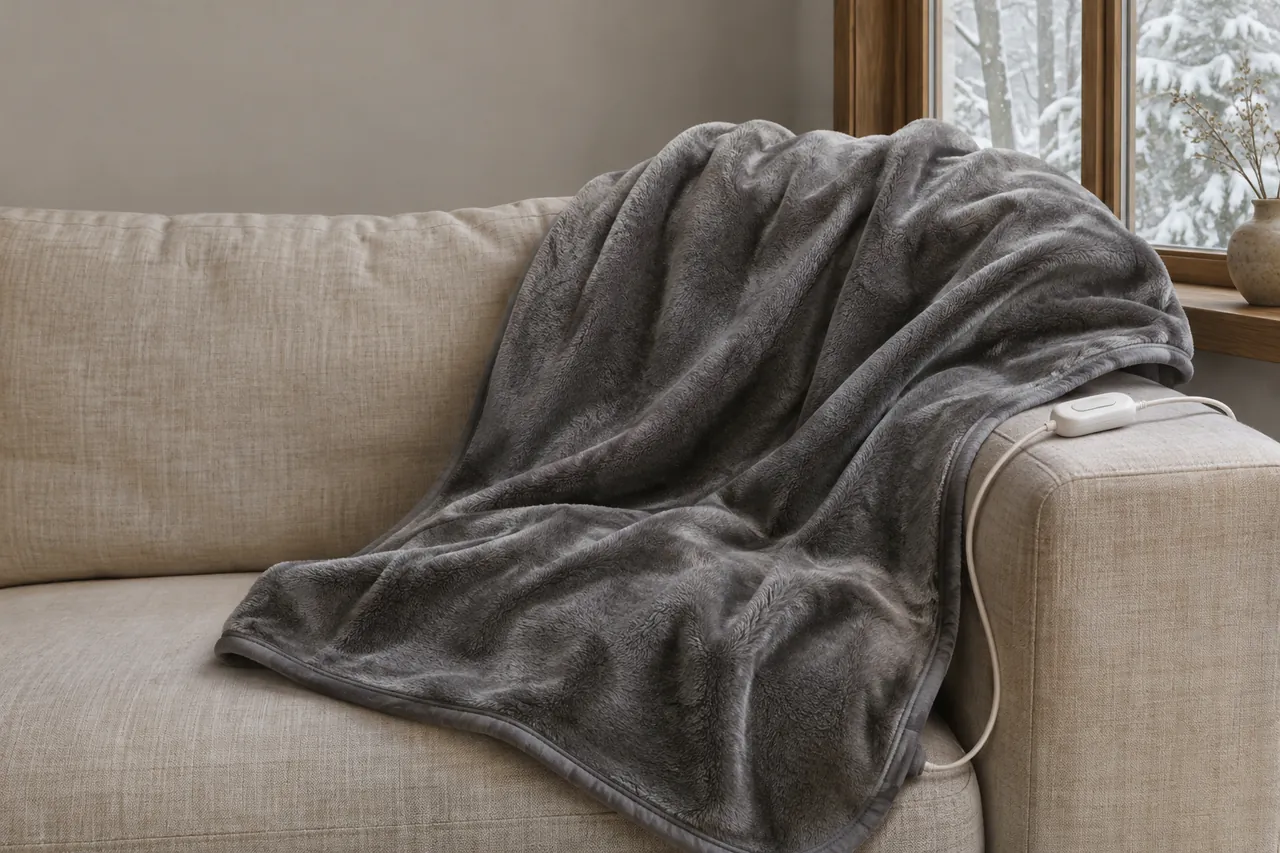
A heated throw at Kmart Australia may be sold directly by Kmart or by a Marketplace seller, and the model determines its size, controls and care instructions. Start with the seat where you intend to use it, then compare the listing, the seller and the instructions for that exact item.
What are my rights if the throw has a problem?
Australian Consumer Law gives shoppers consumer guarantees when eligible products do not meet required standards. The Australian Competition and Consumer Commission (ACCC) explains how those rights interact with warranties and remedies.
Consumer guarantees apply automatically to eligible purchases. Goods must meet requirements including acceptable quality and matching their description. What acceptable quality means takes account of the nature of the goods, their price and other relevant circumstances.
A warranty is an extra promise made by a business. It sits alongside consumer guarantees and cannot replace or take away those rights. Consumer guarantee rights can last longer than a warranty period.
The remedy depends on the nature of the problem. The ACCC distinguishes major failures from minor problems and explains the choices available to the buyer and the seller.
For a major problem, such as an unsafe product or one significantly different from its description, the consumer can choose a refund or replacement of the same type. The consumer may also choose to keep the item and seek compensation for the drop in value.
For a minor problem, the business must fix or repair it for free; it can choose to offer a refund or replacement instead. If it cannot or will not fix the problem within a reasonable time, the consumer can seek a refund or replacement, arrange a repair elsewhere and recover reasonable costs, or keep the product and seek compensation for the drop in value.
The business that sold the product is responsible for resolving consumer guarantee problems; it must not simply send the consumer to the manufacturer.
Changing your mind alone does not automatically create a right to a refund under consumer guarantees. A retailer may offer a change-of-mind policy, and if it does, it must honour its stated terms.
Keep proof of purchase and the model information with the instructions. If a product develops a fault, stop using it and explain the problem to the retailer that sold it. A receipt is one form of proof; the ACCC also recognises other forms of proof of purchase.
Keep the product number as well as proof of purchase. A clear description of the fault, the date you noticed it and a photograph of any visible damage can help the seller identify the issue. Do not continue using an electrical appliance that appears damaged while the matter is being resolved.
Where can I find instructions for the right model?
Kmart’s bedroom manuals directory includes instructions for heated throws as well as other bedroom products. Use the product name and model number to find the instructions that belong to the throw you own or are considering.
For a specific comparison, Kmart’s Marketplace listing for the Dreamaker Nara Luxe Faux Mink heated throw describes a 160 by 130 cm version with a detachable controller and a three-hour automatic shut-off. Its nine settings comprise fast heat (H) and levels 1–8. The page identifies DI Home as the seller and shipper, says the throw is not for use as an underblanket, and directs owners to line dry it in shade without tumble drying. These instructions apply to this heated model; a similarly named non-heated Nara throw has a separate listing and different care directions.
Product titles can be brief, so look for dimensions, intended use, care information and the position of the controller in the listing and instructions. Compare those details with the space where the throw will be used.
A model number is especially useful when several throws have similar colours or names. Compare that identifier on the packaging or product page with the one in the manual directory. Once you have the matching instructions, look at the diagrams as well as the description: they can show where the lead connects and where the controller is meant to sit. Keep the manual with your receipt so those details are easy to find at cleaning or storage time.
Think about how much coverage you want before comparing fabrics. A smaller throw can be easier to arrange on a chair; a larger one takes up more space when stored. Dimensions are specific to each product, so use a tape measure rather than assuming that a label such as “throw” describes one standard size. If the listing shows only one side, look for a description of the reverse fabric and its care requirements.
Check whether the item is sold by Kmart or a Marketplace seller, and retain the product page and order details. The seller information makes it easier to identify the business responsible for the purchase if a consumer-guarantee issue arises.
How will it fit my chair and room?
The dimensions of a throw matter most in relation to the seat and the person using it. Measure a favourite blanket or the area you want to cover, then compare that measurement with the listing. A throw and a fitted heated underblanket serve different purposes; use each only as intended.
Imagine choosing between a compact chair beside an outlet and a reclining sofa across the room. In the chair, the lead may reach without crossing a walkway and the controller can remain close to hand. On the sofa, measure the route first and keep the lead clear of the footrest mechanism. Follow any furniture restrictions in the throw’s instructions.
A useful test is to sit where you normally would and trace the route from the outlet to the controller. Leave the control within reach without pulling the lead across a doorway or close to moving furniture.
Keep the cord out of walkways and away from pets, chair wheels and reclining mechanisms. Avoid pinching it beneath furniture or cushions.
What should I look for before switching it on?
The Queensland Electrical Safety Office advises shoppers to choose compliant electrical equipment and inspect it for damage. The product label and instructions are a useful starting point when comparing a heated throw for an Australian home.
The Regulatory Compliance Mark (RCM) is a mark to look for on electrical equipment supplied in Australia. It indicates that the supplier declares compliance with applicable requirements; it is not a substitute for using the product as directed or checking it for damage.
Before each season of use, inspect the fabric, controller, plug and lead. Fraying, exposed wiring, scorch marks, damaged casings or an unusual smell are reasons to stop using the throw.
If any part is damaged, do not use the appliance or attempt to splice a lead or repair its internal wiring yourself.
Bedsure’s safety guide discusses careful handling of heated bedding. Follow the placement directions for the particular throw, keep it from bunching during use and do not sit or lie on a heated throw unless its instructions expressly permit that use.
Healthline describes a skin condition associated with prolonged heat exposure. Comfortable warmth still deserves attention: follow the product’s directions for skin contact, check your skin during use, and stop if the heat feels uncomfortable or irritation appears.
Check the instructions for the exact model before using a throw on a bed or leaving it on during sleep. Do not assume every heated throw is approved for unattended or overnight use.
Can it be washed and stored easily?
The care label and instructions for the exact model determine whether and how it can be cleaned. A removable controller, a washable fabric shell or permission to tumble dry should never be assumed from the appearance of the throw.
Switch off and unplug the throw before cleaning. If its instructions permit washing and specify a detachable controller, remove the controller as directed and keep electrical parts out of water. Let every part dry completely before reconnecting.
Before storing a throw, let it cool and follow the product’s storage directions. Avoid sharp creases and heavy objects on top of it. At the start of the next season, inspect the fabric, controller and lead for damage before plugging it in.
Before buying, picture where the throw will be kept between seasons and how you will keep the controller with the correct appliance. A clear storage space and accessible instructions make the next use easier. Care directions vary, so base the cleaning routine on the specific product rather than another throw that looks similar.
Bedsure notes that warm-up time can vary with the product and its surroundings. Compare the setting and timing information given for the model rather than treating one blanket’s performance as a rule for every throw.
The right choice comes down to an appliance that fits both the space and its intended use, supported by clear instructions and the consumer protections that apply to the purchase.
References
Kmart — Bedroom instruction manuals
ACCC — Repair, replace, refund or cancel
Queensland Electrical Safety Office — Buying and using electrical equipment
Bedsure — Electric blanket warm-up time
Healthline — Toasted skin syndrome