
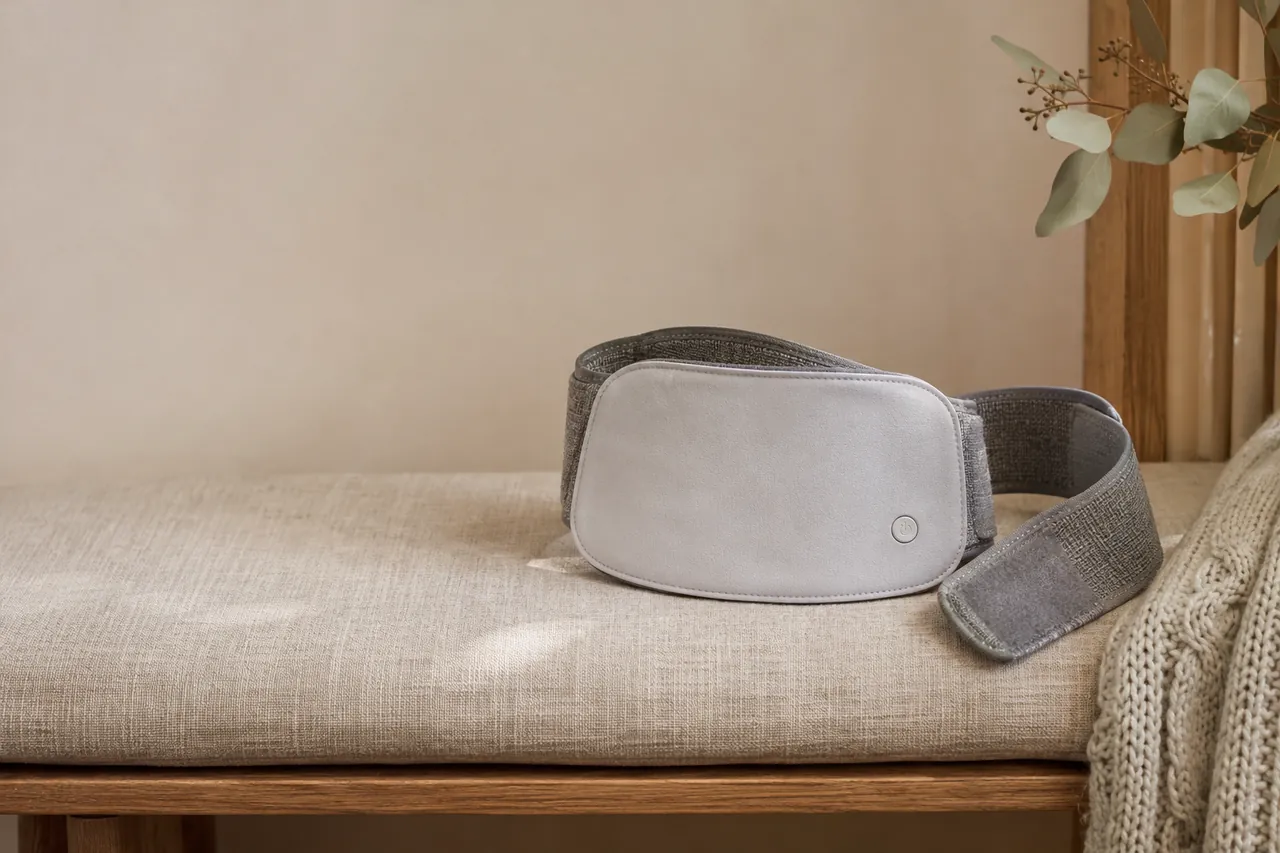
Choosing between a corded PureRelief wrap, two rechargeable pads and a ThermaCare disposable wrap starts with where and how you will use them. An outlet keeps a corded model powered; a rechargeable pad moves with you; the single-use wrap needs no charger but must be replaced after each use.
Introduction
The four examples below illustrate those choices. The product details come from the respective listings and instructions, and the comparison is based on design rather than a claim of independent testing. Before choosing, consider fit, controls, care, and the safety directions that apply to your health.
At a glance: pick the trade-off you can live with
For an awake break near an outlet, Pure Enrichment’s PureRelief Lumbar & Abdominal Heating Pad uses a cord, two adjustable straps, and a pocket for a separate hot/cold gel pack. Its fabric is machine washable according to the product page. The cord keeps the pad tied to a power source, so think about where the cable and controller will sit.
For a rechargeable alternative, the PureRelief Cordless Lumbar and Abdominal Heating Wrap has separate pockets for its battery and gel pack. Pure Enrichment lists four heat settings and machine-washable fabric. Its description cites two hours of cordless use, while the specifications list a 60–140 minute runtime range. These are battery figures, not instructions to keep heat against the skin for the whole period.
Sunbeam’s GoHeat Cordless Heating Pad is another rechargeable option. Its listing describes a wearable pad, three heat settings, a removable strap that fits up to 55 inches around, and a two-hour automatic shutoff. Sunbeam says the battery can run for up to four hours on its low setting. That figure is not a recommended wearing time.
ThermaCare Menstrual HeatWraps offer a different format: a single-use wrap that activates when opened and requires no charger. CVS lists a four-count package. The official ThermaCare label places a limit of eight hours in any 24-hour period and contains other specific restrictions described below. A disposable wrap may suit occasional portable use, provided its label is appropriate for you.
Compare the details that affect daily use
Coverage and fit
Start by considering whether you usually want warmth over the lower abdomen, lower back, or both at different times. Measure the area you want covered, then compare it with the dimensions of the heating surface rather than judging from a product photograph. A wider pad can cover more area; a smaller one may be simpler to position beneath loose clothing.
If a strap is part of the design, measure over the clothing you expect to wear. Leave room to breathe and move comfortably. A strap that is too short can pull the heating surface into a fold, while one that is too loose may allow it to shift. The goal is easy removal and a comfortable fit, not pressure against the body.
Cord, battery, or no power connection
A corded pad avoids the need to recharge a battery, but you need a convenient outlet and a clear route for the cable. Keep the controller within reach and the lead away from places where someone could trip. The corded PureRelief wrap is designed for localized use; it should be used according to its own directions and removed before sleep.
Rechargeable products move with you but introduce another component to charge and store. On the PureRelief cordless wrap, the battery has its own pocket; on GoHeat, the battery unit also functions as the controller and fits into a side pocket. Compare whether that location feels manageable when sitting or standing, and check how the product should be charged.
Sunbeam’s manual for GoHeat says not to sit on, lean against, or crush the pad, and directs users to place it on top of the area being warmed. These instructions belong to that model. Its manual also prohibits use by people with diabetes, poor circulation, or insensitivity to heat, as well as sleeping persons and other users unable to operate it safely.
Care and replacement
The two Pure Enrichment product pages describe machine-washable fabric, and Sunbeam describes the GoHeat pad and strap as washable after removing the battery. Follow the exact care instructions for the selected model, disconnect electrical components as directed, and allow washable parts to dry fully before reconnecting power. Inspect the fabric and connections before the next use.
Disposable wraps avoid laundering and battery maintenance but create a recurring purchase if used regularly. Reusable pads have an initial purchase cost and need care. Compare actual prices and the number of uses you expect; a fixed savings figure or a promised device lifespan would not describe every shopper’s experience.
Read the ThermaCare label before using the wrap
The official label for ThermaCare Menstrual HeatWraps directs users to place the adhesive side against underwear, not skin, and keep the wrap flat. It says not to use the product for more than eight hours in a 24-hour period. Check skin frequently and remove the wrap immediately for irritation or a burn. Do not wear it while sleeping, regardless of age; the label warns that burn risk increases with age, particularly for people aged 55 or older.
The label also says not to use it on damaged or broken skin, on an area where heat cannot be felt, with another source of heat or medicated creams, or on a person who cannot remove it or follow its instructions. It warns against additional pressure, a tight waistband, or a belt over the product. Remove the wrap before an MRI.
For diabetes, poor circulation, heart disease, rheumatoid arthritis, or pregnancy, the label says to ask a doctor before use. These warnings apply to this ThermaCare product and should not be replaced by the instructions for a rechargeable pad. Follow the actual package directions for placement and stop if the wrap feels too hot.
A short checklist before ordering
First, check the product’s dimensions and strap range against your body and the area you want to warm. Look at the shape of the controller, the position of a battery pocket, and whether you can remove the device without help. A convenient feature matters only if it suits your intended position and clothing.
Second, consider the practical setup. Is an outlet accessible for a corded model? Will a rechargeable option be charged when needed? If you are comparing a heat wrap, how many are in the box and what will replacement cost over time? Check the seller’s current delivery and return information for the exact variant you choose.
Finally, read the safety and care instructions for the exact model. Settings and automatic shutoff are useful features, but neither guarantees that a pad is suitable for every person or position. A runtime listed on a battery is not permission to sleep with an electric pad or ignore skin discomfort.
What warmth can help with—and when to get care
Mayo Clinic includes heat among home measures for menstrual cramps. Verywell Health also describes using warmth over the lower abdomen or back, alongside other measures such as suitable pain medication and gentle activity. A heating product can be part of a comfort plan while you remain attentive to your symptoms.
Keep the temperature comfortable, check your skin, and stop if the area becomes red, irritated, or too hot. Cleveland Clinic explains that repeated or prolonged low-level heat exposure can cause a netlike discoloration called toasted skin syndrome. Avoid using a pad on skin where you cannot sense temperature normally, and do not sleep with an electric heating pad operating.
Emergency care is needed for severe or worsening pelvic pain, pain on moving or touching the area, or pelvic pain with faintness, dizziness, shoulder-tip pain, trouble breathing, heavy vaginal bleeding or sudden confusion. If you have pelvic pain and are pregnant or might be pregnant, or have a high temperature or vomiting, seek urgent medical advice. Pain that disrupts normal activities also deserves medical assessment. Record your symptoms and measures tried so you can describe them clearly.
References
Pure Enrichment, PureRelief lumbar and abdominal heating pad — https://pureenrichment.com/products/purerelief-lumbar-abdominal-heating-pad-gray
Pure Enrichment, PureRelief cordless wrap — https://pureenrichment.com/products/purerelief-cordless-lumbar-and-abdominal-heating-wrap
Sunbeam, GoHeat cordless heating pad — https://www.sunbeam.com/pain-relief/general-muscle-pain/sunbeam-goheat-cordless-heating-pad/SP_438956.html
Sunbeam GoHeat user manual — https://newellbrands.imgix.net/ebc87331-047b-3ddc-a7bf-c7795cb72a72/ebc87331-047b-3ddc-a7bf-c7795cb72a72.pdf
ThermaCare, Menstrual HeatWraps label — https://www.thermacare.com/product-labels/LBL-00000248-WEB-READY-THERMACARE-MENSTRUAL.PDF
CVS, ThermaCare Menstrual Pain Therapy Heatwraps — https://www.cvs.com/shop/thermacare-menstrual-pain-therapy-heatwraps-4-ct-prodid-312383
Mayo Clinic, Menstrual cramps: diagnosis and treatment — https://www.mayoclinic.org/diseases-conditions/menstrual-cramps/diagnosis-treatment/drc-20374944
Verywell Health, What helps with period cramps — https://www.verywellhealth.com/what-helps-with-period-cramps-8413517
Cleveland Clinic, Toasted skin syndrome — https://my.clevelandclinic.org/health/diseases/toasted-skin-syndrome
NHS — Pelvic pain: https://www.nhs.uk/symptoms/pelvic-pain/