
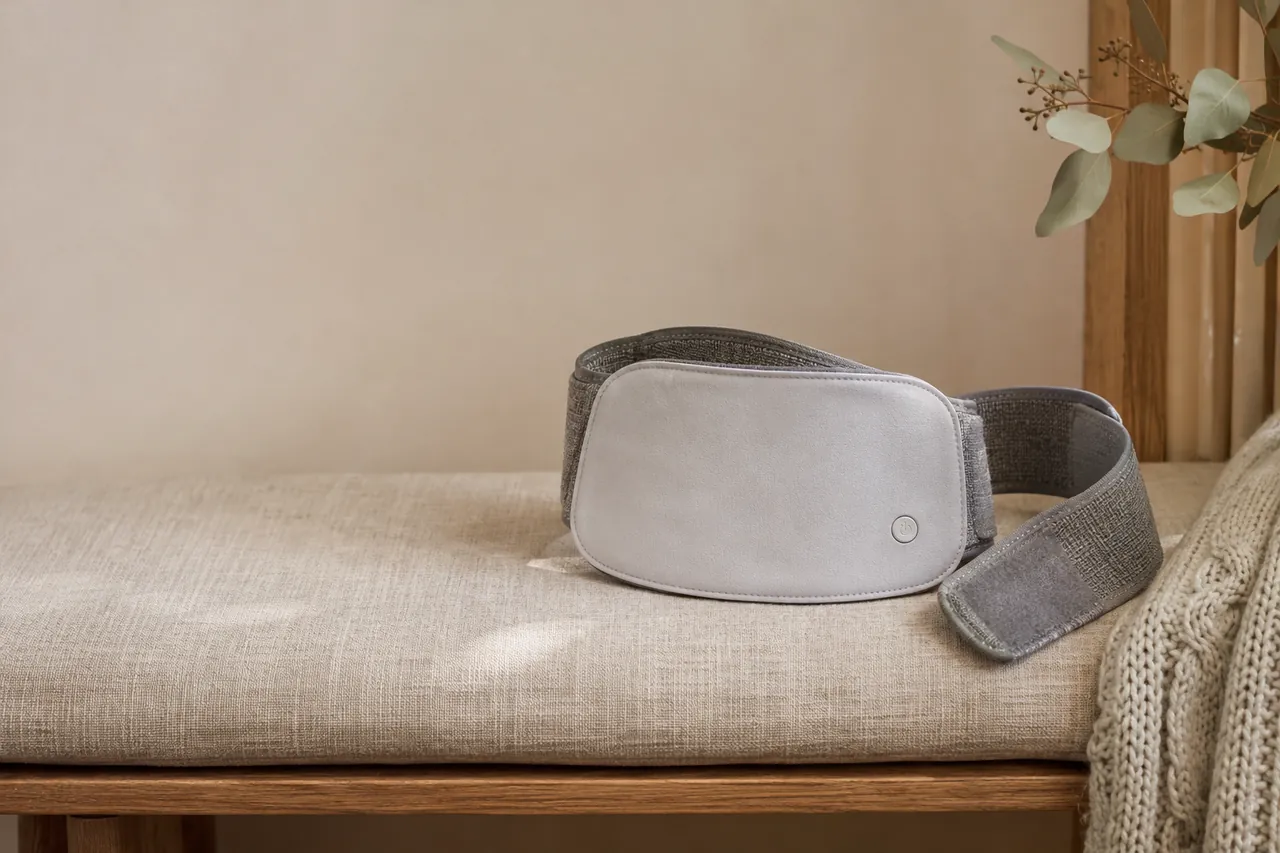
Clicks lists period-specific heat patches as well as reusable hot and cold packs. The useful first step is to identify which format you are looking at: a single-use patch has different application and replacement instructions from a reusable pack or an electric heating pad. Check the exact product page and your selected branch before comparing cost, fit and care.
Two Clicks products and how they differ
The Deep Heat Period Pain Patch listing identifies a single patch that activates when its pouch is opened. Attach the adhesive side to clothing, not directly to skin. The listing says not to use it while sleeping, on broken skin or an area where heat cannot be felt, or together with another heat source. It also warns against use by children and people with diabetes or rheumatoid arthritis, and sets a maximum of 12 hours in any 24-hour period on the same area. Check the skin regularly, stop if irritation develops or the patch feels uncomfortably hot, and read the complete package warnings before use.
Clicks also lists a reusable hot/cold pack, described for heat or cold application. Its page says to wrap it in a thin cloth and not apply it for longer than 20 minutes. Preparation differs from an air-activated patch: follow the pack’s own heating directions, inspect it before use and do not transfer the patch’s timing to it. When checked on November 10, 2026, the Clicks reusable pack page showed two customer reviews; both said the pack lost heat quickly, and one described heating it in a microwave. Those individual reports are useful context for someone deciding how often they want to prepare a pack, though they are not a controlled comparison. The two product listings do not establish stock at a particular branch.
A patch needs replacing after use, whereas a reusable pack needs preparation and storage. Compare the current price per patch with the reusable item’s purchase price and how often you expect to use it. Availability and collection options depend on the location and current listing; check the selected item before travelling.
Check the exact item and branch
If you are browsing the Clicks website or a local store, check the exact item name and variant first. A search result might include general heating pads, body wraps and products intended for other areas. Open the individual listing to see its dimensions, power source, included components and directions.
Next, look at how the retailer shows availability for the branch or delivery address you have selected. An online product listing does not by itself mean that an item is on the shelf at every store. If you choose collection or delivery, review the current timing and charges presented by the retailer before placing an order.
The relevant specifications are often more useful than a long list of marketing terms. Can you reach the controls without pulling the lead? Is a strap included, and does the listed fit suit you? Does the care label describe a washable cover, a washable pad or spot cleaning? Check each answer against the actual model rather than assuming the same features apply across a brand.
You can also compare a retailer’s return terms and keep the receipt. If the package is damaged or a listed part is missing, deal with that before using the product. A new pad should be easy to identify, operate and care for from the instructions supplied with it.
For the two Clicks listings above, start with the work each option requires. The patch opens when needed and is discarded after use; the reusable pack must be prepared as directed and kept for another time. Compare the price of enough patches for your intended use with the one-time pack price, while taking care not to assume that their wear time or placement rules are interchangeable.
An adjustable strap can help hold a wrap in position, but it should fit comfortably and follow the product’s placement instructions. If the instructions describe limits on how the pad can be folded or positioned, include those limits in your comparison before deciding whether the design suits you.
Compare the format you will actually use
A corded electric pad can be convenient when you plan to sit near a suitable outlet. Look at the pad dimensions, controller position and length of the lead in relation to your seat. Make sure the connection can remain loose rather than stretched across a walkway. Comfytemp’s heating-pad collection illustrates the range of shapes sold for different parts of the body; individual designs and controls vary.
A rechargeable pad offers a different arrangement. Sunbeam’s GoHeat Cordless Heating Pad, for example, has three heat settings and a strap. Its cordless format can be useful when a power cord would be inconvenient. Check the charge and the particular model’s instructions before use, and compare the shape and fastening with the area where you want warmth.
A disposable wrap or patch is another format to look for in a personal-care aisle. It is designed differently from an electrical appliance, and its placement and wearing directions belong to the individual product. Read the packaging to see whether a layer of clothing is required and how long the product is intended to be worn. Do not transfer an electric pad’s instructions to a patch.
Neither an electrical pad nor a single-use product is automatically the best fit for every situation. A reusable pad may be attractive when you have a regular place to use and store it; a disposable format may be easier to carry. Compare the size, method of use and total cost for the product you are actually considering.
Follow the directions for that product
Read the instructions for the specific pad or wrap before switching it on. Use it while awake so you can notice discomfort, check your skin and stop if irritation occurs. The NHS describes a wrapped hot water bottle or heat pad as a home-care option; the product’s own directions govern its placement, settings and operating limits.
The GoHeat user manual gives model-specific warnings: do not sit on, lean against or crush the pad, and do not use it on or by people with diabetes, poor circulation or insensitivity to heat. Its warnings also cover sleeping and other situations in which the user cannot respond to discomfort. Other products can have different or additional instructions.
For cleaning, disconnect the components as directed and follow the care label. A detachable controller is not proof that every part of a product is washable. Let cleaned components dry fully before reconnecting them, and put the device away according to its own instructions. If a cable, controller or fabric is damaged, discontinue use.
Healthline’s guide to heat and cold discusses choosing an approach for different kinds of discomfort. That general guide can help frame the question, but it does not replace the instructions for a particular electrical appliance. Avoid applying a generic timer, temperature or placement rule to every product you encounter.
Where heat fits in period care
Menstrual cramps can affect people differently. Some notice an ache in the lower abdomen or back around the start of a period; others find the pain interferes with everyday activities. The NHS lists a heat pad or hot water bottle wrapped in a tea towel among the measures that can help ease period pain. Mayo Clinic also includes heat among home-care approaches.
Researchers have studied heat for primary dysmenorrhea, menstrual pain without an identified underlying condition. A systematic review indexed by PubMed found that heat may reduce pain compared with no treatment; its authors rated the evidence for pain outcomes as low certainty. The studies did not all use the same products or methods, and their results do not establish the performance of a particular Clicks item.
That distinction matters when a product page makes broad claims. A comfortable heat setting and a shape that stays where intended are practical attributes. They do not establish that a particular device treats an underlying condition or works the same way as a medication. Use the research to understand heat as an option, and use the product instructions to decide how to operate the specific device.
Other comfort measures and when to seek care
The NHS also mentions gentle movement, massage and a warm bath or shower among ways to ease period pain. Comfytemp’s article discusses several non-pill approaches to period comfort. The most practical routine is one that fits the person and situation: a quiet rest, comfortable movement or warmth may each have a place, without requiring the same sequence every month.
Seek emergency care if pelvic pain is severe, worsening or painful with movement or touch, or if it occurs with faintness, dizziness, shoulder-tip pain, difficulty breathing, heavy vaginal bleeding or sudden confusion. If you have pelvic pain and are pregnant or might be pregnant, or have a high temperature or vomiting, seek urgent medical advice. Arrange medical care if periods become more painful, heavier or irregular, or the pain affects usual activities. Keep a record of changes and measures you have tried.
For either of the two Clicks products, keep the package directions nearby: the patch and the pack have different preparation, placement and time limits. If a product becomes uncomfortable or irritates the skin, stop using it rather than waiting for its stated maximum time.
References
Clicks, Deep Heat Period Pain Patch
Clicks, Reusable Hot Cold Pack
Mayo Clinic: Menstrual cramps diagnosis and treatment
PubMed: Heat therapy for primary dysmenorrhea systematic review
Healthline: Treating pain with heat and cold
Sunbeam: GoHeat Cordless Heating Pad
Comfytemp: Period Pain Relief Without Pills
Comfytemp: Heating pad collection
NHS: Pelvic pain