
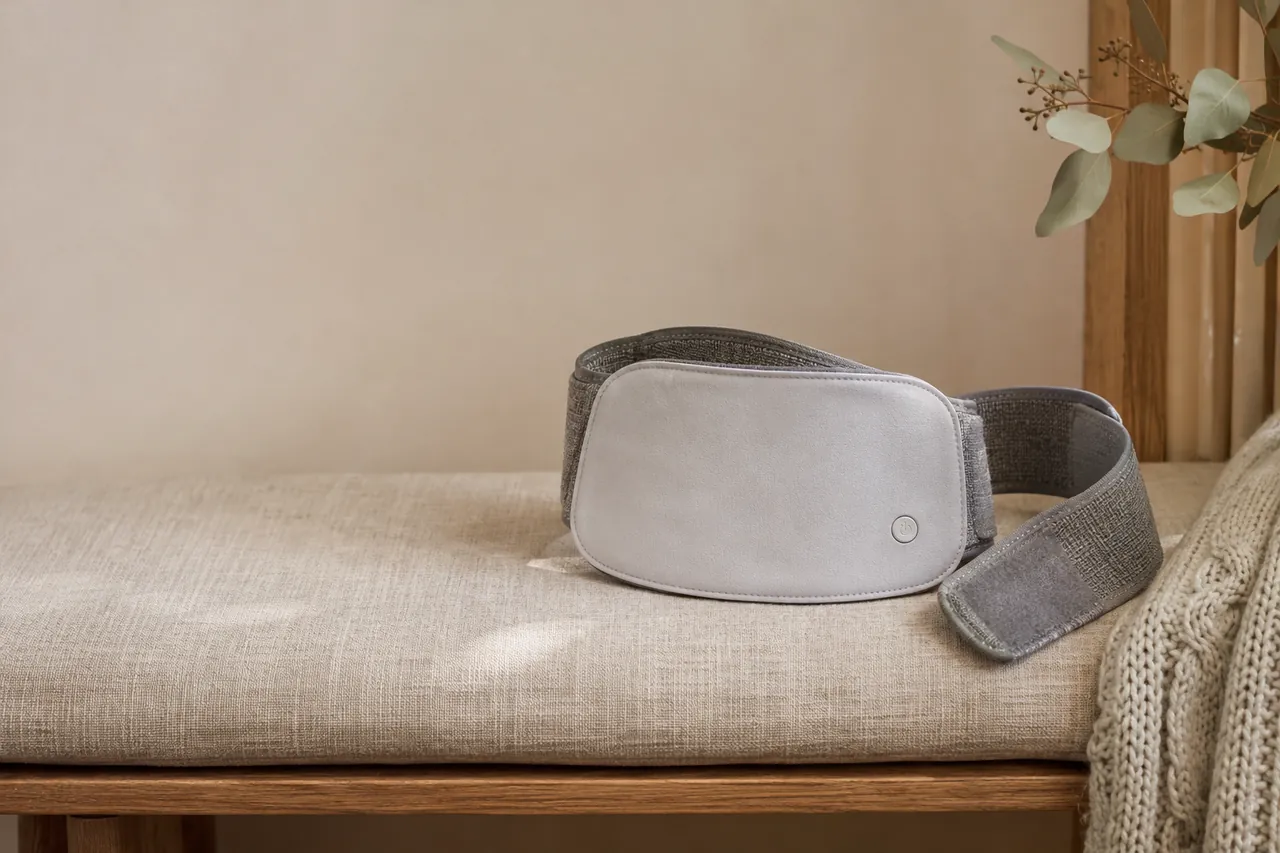
A heating pad can look right in a product photo and still be awkward to position. Before comparing heat settings, decide whether you want warmth over your abdomen, lower back or both, and check how the pad will stay in place while you are awake. The size of the heated panel, the length of a strap and the position of the controller answer different questions.
Introduction
The NHS includes a wrapped heat pad or hot water bottle among its suggestions for period pain, and Mayo Clinic also lists heat as a self-care option. Choosing a suitable pad starts with fit and the way you intend to use it, followed by its instructions for skin contact, care and storage.
Compare the shape before the settings
A corded pad can be useful when you have an appropriate outlet nearby. Pure Enrichment describes its PureRelief Lumbar & Abdominal Heating Pad as a pad with adjustable straps and a pocket for an optional hot/cold gel pack. Its listed automatic shutoff and controls belong to that model; a separate product may have different settings or care instructions.
A rechargeable design removes the wall cord during use but introduces charging and battery storage. Sunbeam’s GoHeat Cordless Heating Pad is a named example with a rechargeable battery, adjustable strap and three heat settings. Its manufacturer describes up to four hours of battery operation on low. That figure is a battery claim for that setting, not a recommended duration for applying heat.
A third option is a weighted flat pad. Pure Enrichment lists its WeightedWarmth body pad as a six-pound pad with three heat settings and spot-clean care. Its shape and weight differ from a strapped wrap: compare the area you want to cover, how you will position it, and whether the cleaning method suits you. A weighted design does not establish superior relief for menstrual cramps.
It helps to compare the measurements in two parts. The size of the heating panel shows the area it can cover, while the strap range tells you whether the wrap can fasten around your waist. Measure over the clothing you expect to wear and look at a rear-view photograph if the product provides one. A belt that closes comfortably should still allow you to reach the controls and remove it without difficulty.
Take Sunbeam GoHeat as an example: Sunbeam describes a wearable pad and a removable strap that fits up to 55 inches around. The strap’s reach around the body is a separate measurement from the pad’s coverage. A longer strap does not increase the size of the pad. Check where the battery and controls sit when you move from standing to sitting.
Set up the first session
Many people look for warmth over the lower abdomen, where period cramps are often felt. Some also notice aching in the lower back. Use the pad only on body areas permitted by its directions, and follow its instructions for the required cover or clothing layer. The NHS specifically describes a heat pad or hot water bottle wrapped in a towel on the tummy.
Choose an awake moment when you can attend to how the warmth feels. Follow the time and placement directions for the specific item rather than copying a schedule from a different device. If the pad becomes uncomfortable or your skin looks unusually red or irritated, switch it off and stop using it. You can set the controller where it is easy to reach without pulling the cord or twisting the wrap.
An automatic shutoff is a feature of the appliance, not an instruction to keep it against the skin until the timer ends. Likewise, a cordless product’s battery estimate describes power under a stated setting; it does not establish a suitable length of skin contact. Read those numbers for what they measure, and use the product’s own directions for the session.
Protect skin and keep controls within reach
Follow the placement and protective-layer directions supplied with the product. Check your skin during use and stop if the heat is uncomfortable or causes irritation. The Sunbeam GoHeat manual contains specific restrictions for that model: it says not to sit on, lean against or crush the pad, and not to use it on or by people with diabetes, poor circulation or insensitivity to heat. Its other listed restrictions also apply.
Do not fall asleep while using an electric heating pad. A timer does not replace being awake and able to notice discomfort. Keep a pad in the position described by its manual, avoid sharp folds, and do not substitute another model’s battery, charger or controller. If the fabric or electrical parts show damage, leave the device out of use.
Repeated exposure to heat can lead to a mottled skin change known as toasted skin syndrome. Notice a persistent pattern of discoloration as well as immediate redness or discomfort. You do not have to make a heat break hotter or longer to make it worthwhile; comfortable warmth and the product’s instructions are the useful starting points.
Make space for other comfort measures
The NHS suggests gentle exercise such as walking, swimming, cycling or yoga, as well as a warm bath or shower and massage of the tummy or back. The Comfytemp period-comfort article also discusses approaches to use during the day. Choose movement that feels manageable rather than forcing a stretch through pain, and make room for rest when you need it.
For some people, nonprescription medicines such as ibuprofen or paracetamol are another option listed by the NHS. Medicines are not suitable for everyone; follow the package directions and any medical advice that applies to you. A simple symptom record can help you notice when cramps begin, how long they last, and whether the pattern changes from one cycle to the next.
A little preparation can reduce the decisions you need to make on a difficult day. Keep the pad’s instructions with it, know where the controller or charging cable is stored, and leave enough time to clean and dry it as directed before putting it away. A battery-powered wrap and a corded pad have different care requirements, so check the exact model instead of assuming the fabric is washable because a component detaches.
What the research says about heat
Period pain commonly begins around the start of menstruation. The NHS explains that the womb tightens during a period and that cramps can spread from the abdomen to the back or thighs. That pattern helps explain why the position and size of a heating pad matter: the area someone wants to warm may differ from one cycle or person to another.
Researchers have studied heat for primary dysmenorrhea, the term used for recurrent menstrual pain without an identified underlying pelvic condition. A 2026 systematic review found that heat may reduce pain compared with no treatment; its authors rated that pain evidence as low certainty. The review combined different heat interventions and does not establish the performance of a particular retail pad.
A product can make warmth convenient to use, but it cannot identify the cause of pelvic pain. Period symptoms can change, and conditions such as endometriosis or fibroids can also be associated with painful periods. Paying attention to a new or worsening pattern is as useful as finding a comfortable position for a heat break.
Recognize changes that need care
Get emergency help for severe or worsening pelvic pain, pain that hurts when you move or touch the area, or pelvic pain accompanied by faintness, dizziness, shoulder-tip pain, difficulty breathing, heavy vaginal bleeding or sudden confusion. If you have pelvic pain and are pregnant or might be pregnant, or have a high temperature or vomiting, seek urgent medical advice. Arrange medical care if pain disrupts usual activities, periods become more painful or irregular, or you experience bleeding between periods.
Heat can be a useful comfort measure while you pay attention to those changes. It does not replace an assessment for symptoms that are new, severe or disrupting your life. Bringing a short record of the pattern and anything you have tried can make that conversation easier.
References
Yuan and colleagues, Heat therapy for primary dysmenorrhea
Pure Enrichment, PureRelief Lumbar & Abdominal Heating Pad
Pure Enrichment, WeightedWarmth Weighted Body Pad
Sunbeam, GoHeat Cordless Heating Pad
Comfytemp, Period Pain Relief Without Pills
Cleveland Clinic, Toasted Skin Syndrome
NHS — Pelvic pain: https://www.nhs.uk/symptoms/pelvic-pain/