
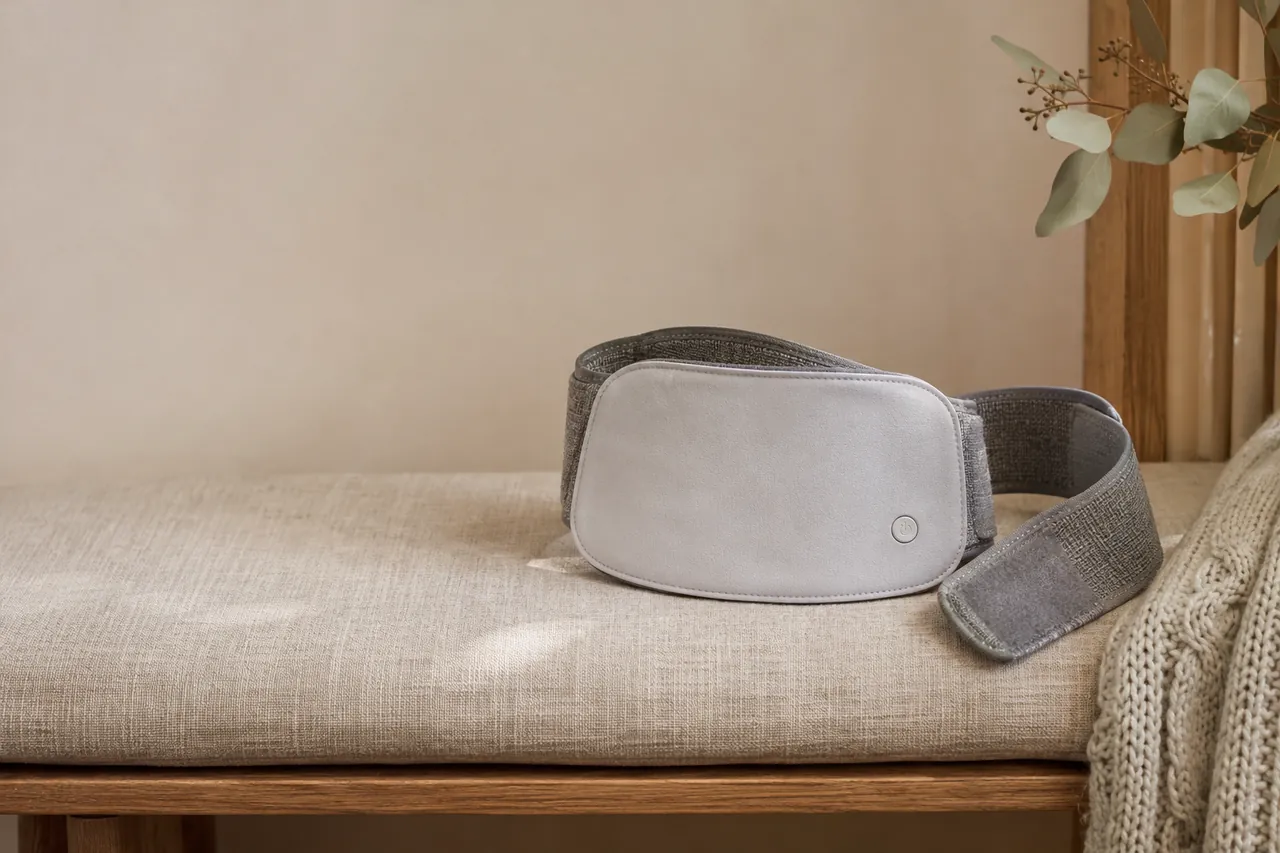
A heat pack can be prepared in the microwave and carried to a comfortable seat. The crucial step comes before the timer starts: identify exactly which part is microwave-safe and read the instructions for that particular product. Heating time, power, cooling and storage directions vary.
Introduction
Mayo Clinic includes warmth among the self-care options that may ease menstrual cramps. This guide follows a pack from the microwave to use and storage, then compares it with two electric formats.
Before the timer starts: read the label
Confirm that the actual item is labelled for microwave use. A pad with an electric cord, controller, or battery is an electrical device and must not be placed in a microwave. If a decorative cover has a removable insert, follow the instructions identifying which component is heated; do not assume the whole assembly goes in.
Check the product’s directions for timing and microwave power. Set the timer carefully and stay nearby while it heats. Fire and Rescue NSW warns that overheated wheat bags can cause burns or fires and advises following the supplied instructions, supervising heating, and allowing the bag to cool before reheating. Its guidance concerns wheat-filled packs; apply your own product’s instructions to its particular filling.
Inspect the pack before use and stop using it if it is damaged, scorched, or smells burned. Do not extend the stated heating time because the outside feels cooler than expected: the filling can overheat. For a wheat bag, Fire and Rescue NSW says to call emergency services immediately if it smoulders or catches fire. Keep the microwave clean and arrange the pack as its own instructions require.
A warm pack needs time to cool. For wheat bags, Fire and Rescue NSW says not to reheat before the pack has properly cooled and recommends cooling it on a non-combustible surface before storage. Follow your pad’s stated cooling and storage directions, and do not use a grain-filled pack to warm bedding.
Check the warmth and protect your skin
Before placing a warmed pad against your body, check that it feels comfortably warm and follow its directions for a fabric barrier. Do not apply an uncomfortably hot pack. Stop using heat if your skin becomes irritated or painful, and do not lie on top of the pad or trap it beneath heavy bedding.
Do not sleep or nap with a warmed pack on your body. Fire and Rescue NSW specifically advises against sleeping with wheat bags or using them to warm a bed. For any product, follow its safety instructions and put it aside before you become sleepy. A relaxing routine should leave you able to notice and respond if the heat feels too strong.
Repeated or prolonged heat exposure can also cause a netlike skin discoloration known as toasted skin syndrome. Cleveland Clinic describes this condition and advises avoiding the heat source. Stop applying heat if skin changes develop, and seek medical advice for persistent changes.
One example: Comfytemp’s weighted K9303
Comfytemp describes its K9303 microwave heating pad as an eight-by-sixteen-inch pad weighing approximately 2.18 pounds. The listing says it contains flaxseeds, clay beads, and red beans and identifies the abdomen among its intended areas. Its divided sections are designed to keep the filling distributed. These details refer to that model, not to every grain-filled warmer.
The product page gives a heating range of one to two minutes and says not to overheat it. The appropriate instructions for your own pad are the ones on its label and packaging, including microwave power, positioning, any shorter starting time, and cooling before reheating. Do not transfer a time from one brand or size to another.
Comfytemp also says its K9303 is spot-clean only and should air-dry fully before reuse. A different pad may have a removable cover or another cleaning method. Check the care label before washing any component, and avoid assuming that the filling can be put through a machine wash.
Decide where a microwaveable pack fits
A microwaveable menstrual heating pad may suit someone who wants warmth without wearing a battery or staying near an outlet. Once prepared according to its instructions, it can be carried to a chair or sofa. Its warmth gradually decreases, so there is no controller to turn up during use. You will need access to the microwave again when the product’s instructions allow reheating.
That trade-off matters away from home. A shared office kitchen may have a microwave, while a train, a waiting room, or an outdoor trip may not. Consider where you would actually prepare the pad and where it will cool after use. If those places are inconvenient, a rechargeable or plug-in pad may better suit your routine.
Shape and weight matter too. A flexible rectangular pad can rest over an area while you sit; a strapped electric wrap is designed to stay in place differently. Compare the manufacturer’s dimensions with the space you want to cover, and choose a weight that feels comfortable. More weight does not automatically mean more relief.
Compare three ways to get warmth
A microwaveable pad stores warmth after preparation and then gradually cools. Its appeal is the absence of a cord or battery during use, but you cannot adjust a heat setting once it has left the microwave. The Comfytemp K9303 is an example of this format, with a weighted filling and a care routine based on spot cleaning.
A rechargeable option works differently. Sunbeam’s GoHeat Cordless Heating Pad uses a rechargeable battery, has three heat settings, and comes with an adjustable strap. Sunbeam lists it for the back, arms, legs, and shoulders; follow the model’s directions for placement rather than assuming every cordless pad is intended for the abdomen. The battery needs charging and must be removed as directed before cleaning.
A larger electric body pad is a third choice. Pure Enrichment’s WeightedWarmth combines electric heat with a weighted body-pad format. It has its own controls and spot-cleaning instructions. Compare its size and the way it will rest on the body with the smaller microwaveable pad, and use the electrical product only as directed.
The difference is also visible in what you need to have ready. A microwaveable pack needs a suitable microwave and a safe place to cool; GoHeat needs its charged battery; the WeightedWarmth body pad needs its specified power arrangement. Compare these practical requirements with the place where you expect to use the product, as well as the time and space available afterward.
Make room for other comfort measures
A heat pack can fit alongside small changes to the day. Comfytemp’s period-comfort article discusses changing position and gentle movement, while Mayo Clinic mentions a warm bath and physical activity among options that can help some people with cramps. Choose activities that feel manageable and stop if a movement increases discomfort.
Keep the pad’s instructions accessible throughout the month. If someone else in your home uses it, make sure the correct heating and cooling directions stay with the pack. A label with the product is more useful than relying on a time remembered from a different warmer.
When cramps need more attention
Heat can provide comfort, but it cannot identify the cause of menstrual pain. Pain that interferes with ordinary activities deserves medical evaluation. Get emergency care for pelvic pain that is severe, worsening or painful when you move or touch the area. Faintness, dizziness, shoulder-tip pain, breathing difficulty, heavy vaginal bleeding or sudden confusion with pelvic pain are also emergency signs. Get urgent medical advice for pelvic pain if you are pregnant or might be pregnant, or have fever or unusual bleeding or discharge. Do not rely on heat alone in these situations.
Choose the format that fits your access to a microwave, your preferred size, and the care you can maintain. Then follow the directions for that particular pad each time. The right purchase makes the routine easier to follow and keeps the focus on comfortable, attentive use.
References
Comfytemp — Microwave Heating Pad for Pain Relief:
Comfytemp — How to Safely Use a Microwavable Heating Pad:
Comfytemp — Period Pain Relief Without Pills:
Comfytemp — Heating Pad Collection:
Sunbeam — GoHeat Cordless Heating Pad:
Pure Enrichment — WeightedWarmth Weighted Body Pad:
Mayo Clinic — Menstrual cramps: diagnosis and treatment:
Fire and Rescue NSW — Wheat filled heat packs:
Cleveland Clinic — Toasted Skin Syndrome:
NHS — Pelvic pain — https://www.nhs.uk/symptoms/pelvic-pain/