
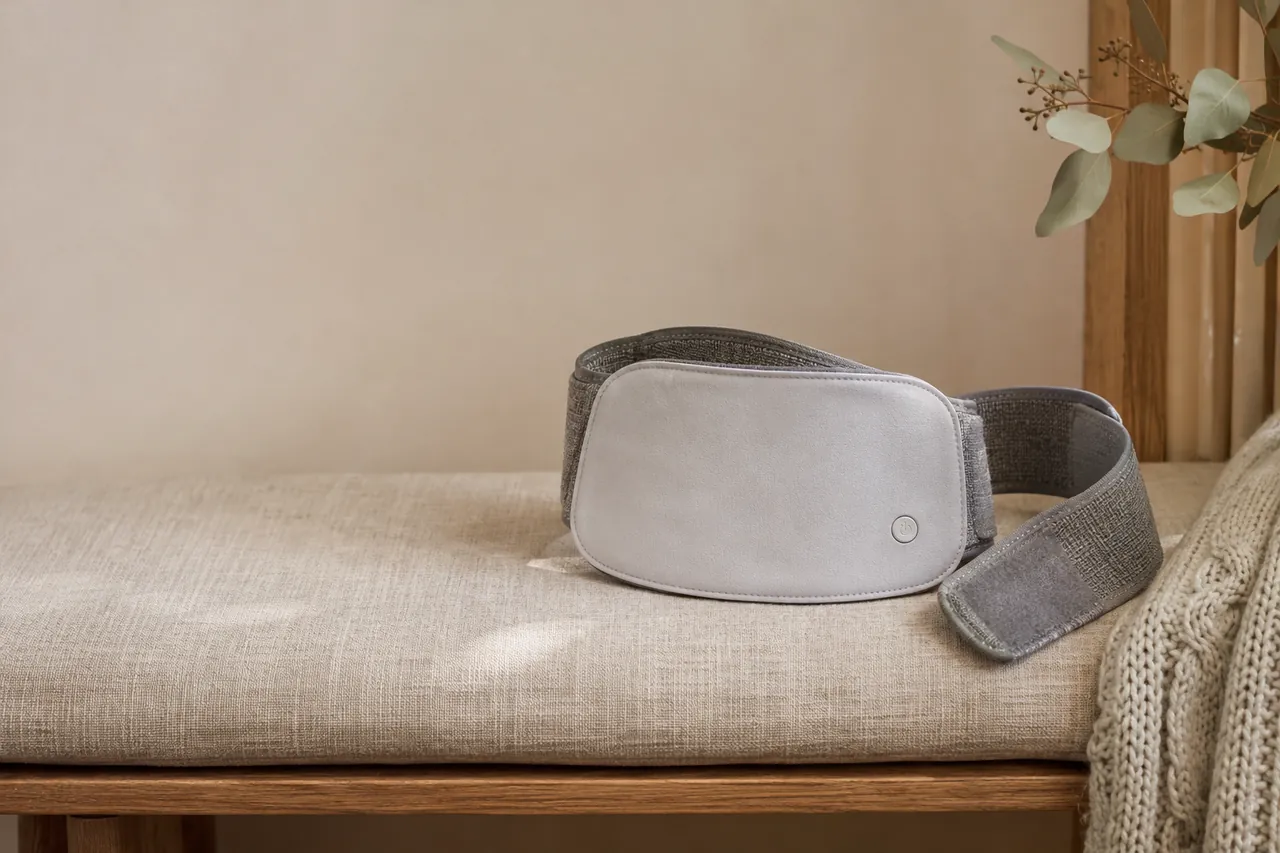
Choosing a menstrual heating pad in Qatar starts with a practical distinction: a disposable patch travels easily, while a reusable pad needs space, care and sometimes an outlet. Sunlife Pharmacies lists Pslove Menstrue Heat Patches locally, giving shoppers one example to compare with a reusable option. The choice is not simply about convenience: check how the product is positioned, how it is powered or activated, and what its own instructions say before use.
Introduction
Mayo Clinic includes warmth on the lower abdomen among measures that may ease menstrual cramps. The choice of format depends on where you will use it, while the safety directions belong to the specific item.
First, recognise when cramps need more than a comfort routine
Menstrual cramps are common, but pain that prevents normal activities or changes from your usual pattern deserves medical assessment. Seek emergency care for pelvic pain that is severe, worsening or hurts when you move or touch the area, or if pelvic pain occurs with faintness, dizziness, shoulder-tip pain, difficulty breathing, heavy vaginal bleeding or sudden confusion. Get urgent medical advice for pelvic pain if you are pregnant or might be pregnant, or have fever or unusual bleeding or discharge. Do not rely on heat alone in these situations.
The same principle applies when symptoms do not fit your usual pattern. Keep track of when the pain occurs and how it affects your day; that information can help you describe what has changed. A heat product can support comfort, but it cannot identify the cause of pelvic pain or replace medical care.
Read a local pharmacy listing
Sunlife Pharmacies lists Pslove Menstrue Heat Patches as a period-specific option. Its description says the patches warm after opening, are designed to fit under clothing and can provide heat for up to 12 hours. That is a listing claim about this particular patch, not a recommended session length for every user or every product. Read the package for placement and use instructions, pay attention to your skin, and check the current listing for price and availability.
Compare a patch with a reusable pad by looking at the complete routine. A disposable product needs to be replaced after use, so package count matters when you estimate how often you will need to buy it. A reusable pad involves an initial purchase and, depending on its design, cleaning and storage. Neither is automatically better value for every person.
If an electric model interests you, check the power and plug information against the supply where you intend to use it. A physical plug adapter only changes the connection; it does not establish that the device is electrically compatible. Read the instructions for the specific model and make sure the cord can reach your chosen seat without being stretched or trapped.
Look for details that make the item practical for you: dimensions, how a wrap fastens, the controls provided, and whether the cover or pad can be cleaned. Do not assume that a removable controller means the entire product is washable. A listing photo can show the general shape, but the product’s care directions determine what can be cleaned and how.
Build a small kit around the format you choose
A patch is appealing when you want a small, portable item. Before using it, read exactly where it should be placed, how long the directions allow it to remain in use, and how to remove it. Different products can have different contact instructions. Follow the directions for that patch rather than transferring advice from another package.
A wearable wrap can be useful if you prefer a product that stays positioned while you move around. Check whether the fastening adjusts comfortably over your clothing and whether its power arrangement fits your day. Features such as batteries, timers, or multiple settings vary by model; verify the details on the specific item instead of assuming every wrap has them.
A flat pad gives you another way to apply warmth while seated or resting. Some are electric and others are designed for microwave heating. They are not interchangeable: use only the power source or heating method stated for the product. A microwaveable item needs its own time and power directions; an electric pad should never be heated in a microwave.
Consider storage as well as use. A reusable pad needs a dry place where its fabric, connections, and cord will not be damaged. A disposable product is more compact for occasional use, but you will need to keep a fresh supply on hand. These ordinary details often determine whether a product becomes useful in practice.
Keep the product’s instructions with your kit, especially if more than one person uses the same storage space. For a disposable patch, check the individual package before opening it; for a reusable item, leave room for the controller or removable cover and the care instructions. That makes it easier to distinguish each product’s directions when you need it.
Use warmth gently and watch your skin
Warmth should be comfortable. Follow the product’s instructions for contact with skin or clothing, and do not make an uncomfortably hot pad tolerable by adding improvised layers. Stop using it if you notice irritation, redness, or discomfort. Do not fold or bunch an electric pad while operating it, and avoid lying on it unless the directions specifically allow that placement.
Cleveland Clinic explains that repeated or prolonged exposure to heat can cause a mottled skin change called toasted skin syndrome. Check your skin during use and stop the heat if discoloration or irritation appears. A persistent skin change deserves medical attention. More heat or a longer session is not automatically more helpful.
Turn off and remove a heating pad before sleeping. An automatic shutoff, if a particular model has one, is not a general permission to use a heating device while asleep. Keep electrical parts dry and unplug a device before cleaning it. Follow the model’s cleaning directions and let any washable parts dry fully before reconnecting power.
Plan for the times discomfort interrupts
Rather than buying a product first and hoping it fits every day, consider when discomfort tends to interrupt your schedule. You might be at home with easy access to a power outlet, or moving between work, classes, and errands. You might prefer to lie quietly, take a gentle walk, or combine rest with ordinary activities.
For a day spent mostly at home, a reusable heating pad can be kept near a comfortable chair or bed. Check its dimensions and intended placement so it covers the area you want to warm without an awkward fold. If it plugs in, think about the distance to the outlet and where the cord will run. Keep the controller within reach and the cable out of walkways.
For time away from home, a wearable format may be easier to fit into a bag and use according to its instructions. A patch and a belt-style wrap are different products: look at how each is secured, whether it requires power, and what the directions say about placement. The most convenient choice depends on your clothing, activities, and personal comfort.
There is no need to make warmth the centre of the entire day. Verywell Health discusses a range of approaches to period cramps, and Mayo Clinic also includes measures such as exercise and a warm bath. Consider the combination that fits your routine. If you use medication, follow its instructions and the advice of your healthcare professional when applicable.
Adjust the plan from day to day
A simple symptom record can make the plan more personal. Note when discomfort begins, whether it interrupts work or sleep, and which measures you tried. If the pattern changes or daily activities become difficult, those notes can help you describe the problem during a medical appointment. They are not a way to diagnose the cause yourself.
When comparing a menstrual heating pad in Qatar, begin with the format and instructions, then check fit, power, and care. A good choice is one you can use comfortably and correctly. Keep the guidance from Mayo Clinic and the skin precautions from Cleveland Clinic in mind, and make room for medical care if your symptoms call for it.
References
Mayo Clinic — Menstrual cramps: Diagnosis and treatment.
Cleveland Clinic — Toasted Skin Syndrome (Erythema Ab Igne).
Verywell Health — 15 Things to Help With Period Cramps on Pain Days.
Medical News Today — 8 of the best heating pads for pain relief.
Sunlife Pharmacies Qatar — Blood Menstrue Heat Patches
NHS — Pelvic pain — https://www.nhs.uk/symptoms/pelvic-pain/